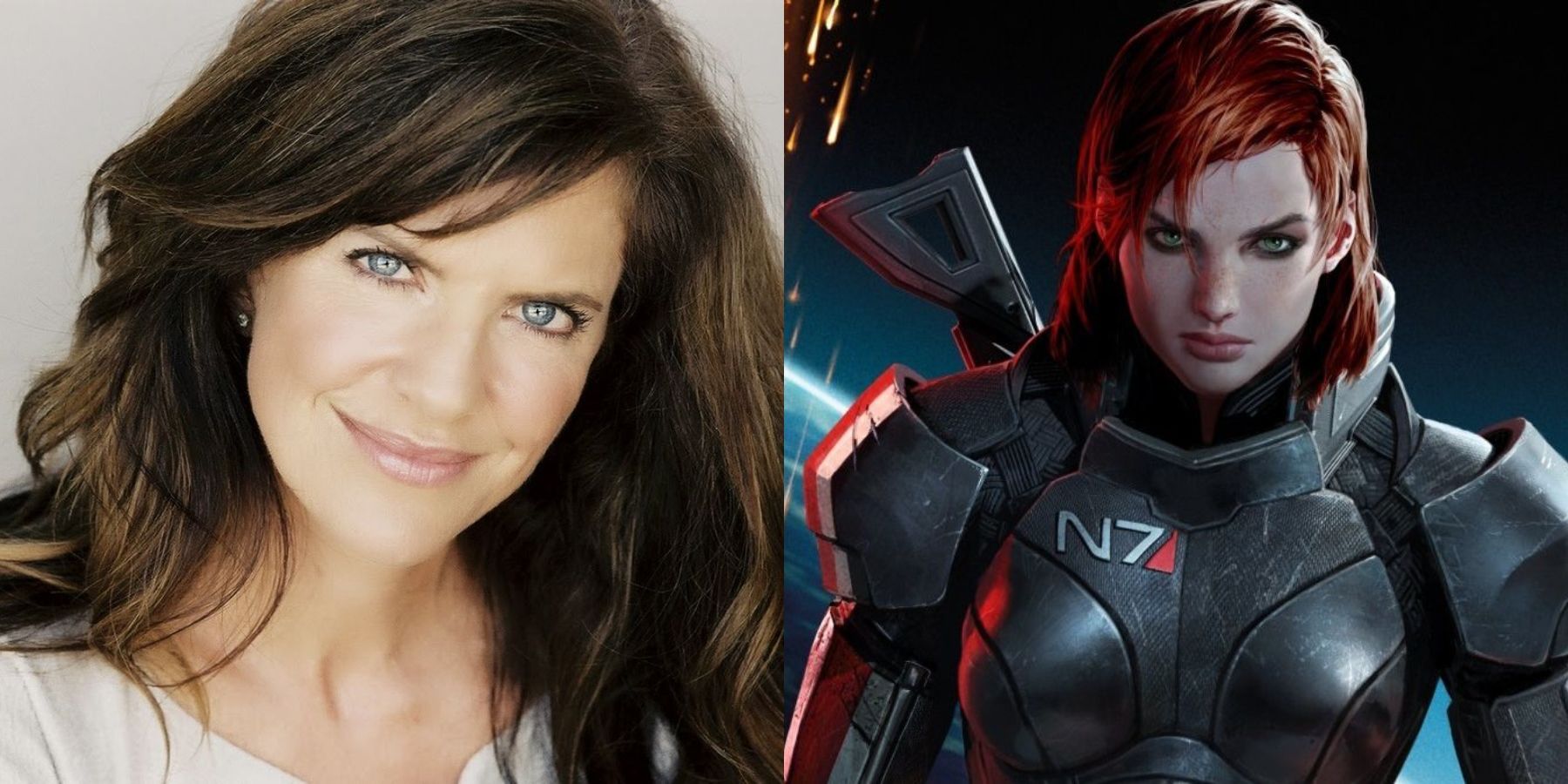
The Mass Effect series thrives on moral complexity, but few characters have stirred as much debate as Mordin Solus. When rumors of his potential return resurfaced, actor Michael Beattie—known for voicing Mordin in early promotional material before Michael Hogan took over—spoke candidly about the character’s legacy, fan division, and what it would mean to see him back in a new installment. His comments cut to the heart of a deeper tension in legacy franchises: how to reconcile beloved but ethically fraught characters with modern storytelling expectations.
Beattie didn’t reprise the role beyond the demo recordings, but his early connection to Mordin gives him a unique outsider-insider perspective. In a recent interview, he acknowledged the character’s brilliance but didn’t shy away from the discomfort his actions provoke. “Mordin was never meant to be a clean hero,” Beattie said. “He was a man who believed the ends justified the means—and that’s always going to leave a stain.”
That stain is precisely why fans remain divided.
Why Mordin Still Divides the Mass Effect Community
Mordin Solus, the Salarian scientist, is a fan favorite for his rapid-fire dialogue, dry humor, and redemption arc in Mass Effect 3. But his past—specifically his role in modifying the genophage to sterilize the Krogan race—is a moral lightning rod.
For some, Mordin represents pragmatic utilitarianism in a galaxy on the brink of collapse. For others, his involvement in biological warfare crosses a line no amount of character growth can erase. The debate isn’t just academic; it spilled into forums, Reddit threads, and even developer interviews after the original trilogy.
Beattie’s reflections highlight how voice and performance shape perception. “I remember reading those lines about the genophage for the first time,” he recalled. “They were clinical, detached. But that’s what made it chilling. He wasn’t a mustache-twirling villain—he believed he was saving lives.”
When Hogan brought Mordin to life in the final game, he amplified that complexity with emotional weight, especially during the character’s final mission. Yet Beattie’s early take reminds us that performance choices can steer audience sympathy—even before the full narrative unfolds.
Actor Insight: Can a Controversial Character Be Redeemed?
Beattie questioned whether redemption is even the right framework. “Redemption implies you’re moving back toward innocence,” he said. “Mordin wasn’t innocent. He made a horrific decision. But he lived with it. That’s different.”
His comments echo broader conversations in storytelling today: Can characters who commit atrocities be portrayed sympathetically without excusing their actions? And if they return in a new game, what responsibility does the narrative have?
Consider The Last of Us Part II. It leaned into moral ambiguity, punishing players emotionally for siding too comfortably with any one character. A return of Mordin—or a character like him—could benefit from similar nuance. But Beattie warns against fan service without substance.
“If they bring him back, it can’t just be for nostalgia,” he said. “It has to mean something. Either to confront what he did, or to show how the galaxy still lives in the shadow of that choice.”
Fan Backlash and the Weight of Legacy
Not all fans want Mordin back. Some see his return as glorifying eugenics under the guise of “hard choices.” Others argue that reinserting him risks undermining the emotional gravity of his sacrifice in Mass Effect 3.
Beattie acknowledged the backlash but framed it as a sign of engagement. “People wouldn’t care this much if the character wasn’t important,” he noted. “The fact that they’re still arguing about him 15 years later? That’s a testament to how well-written he was.”
Still, he raised concerns about how studios interpret fan feedback. “There’s a difference between listening to your audience and chasing approval,” he said. “Sometimes the most powerful stories are the uncomfortable ones.”
The fear isn’t just about one character—it’s about what his return signals. Does it mean the franchise is circling back to old favorites at the expense of new voices? Or is it an opportunity to deepen the lore with overdue accountability?
What a Return Could Mean for the Mass Effect Universe
A Mordin revival wouldn’t be straightforward. Canonically, he died preventing the genophage’s collapse. A return would require creative solutions: flashbacks, AI reconstruction, or even a clone.
Beattie suggested a holographic archive as the most narratively honest approach. “Imagine finding a recorded lecture where he debates his own choices,” he said. “No heroics. Just a man trying to justify the unjustifiable to himself.”
That kind of storytelling could honor both the character and the controversy. It wouldn’t let him off the hook—but it might help players understand how good intentions can weaponize science.
Compare this to the Andromeda Initiative’s morally gray decisions—like cryo-pod malfunctions or synthetic rights. The franchise has room to explore systemic harm without resurrecting individuals. Yet Mordin’s personal culpability makes his story uniquely gripping.
Other Controversial Characters in Mass Effect
Mordin isn’t the only figure who splits the fanbase. The series is packed with morally ambiguous choices and characters who thrive in the gray zone.
| Character | Controversial Action | Fan Division |
|---|---|---|
| Mordin Solus | Genophage modification | Pro-science pragmatism vs. bioethical violation |
| Miranda Lawson | Created via genetic engineering | Empowerment vs. eugenics glorification |
| Jack (Subject Zero) | Violent past, trauma-fueled rage | Victim vs. perpetrator discourse |
| Kai Leng | Antagonist with uneven writing | Hated for narrative role, not just actions |
| The Illusive Man | Human supremacy, Reaper collaboration | Charismatic villain or irredeemable traitor? |
Each of these characters forces players to confront uncomfortable truths. But Mordin stands out because his actions had galactic consequences—and he knew it.
Beattie pointed out that controversy isn’t inherently bad. “If a character makes you angry, makes you think, makes you defend or condemn them—that’s success,” he said. “Art isn’t supposed to be comfortable.”
The Actor’s Role in Shaping Moral Ambiguity
Voice actors do more than deliver lines—they humanize characters audiences might otherwise reject. Beattie emphasized how vocal tone, timing, and subtext can shift perception.

“Take the line: ‘Salarian science team modified airborne vector. Genophage airborne. Effective. Fast.’ Read it cold, and it’s monstrous,” he explained. “But deliver it with hesitation, with a slight tremor—now it’s haunted. That’s the power of performance.”
This insight reveals why actor commentary matters. It’s not just about whether a character should return—it’s about how. The same script, delivered differently, can evoke empathy or revulsion.
In Mass Effect, where player choice intersects with fixed character arcs, performance becomes a bridge between narrative and morality.
Balancing Nostalgia and Narrative Integrity
The upcoming Mass Effect titles face a dilemma: how to honor the past without repeating it. Bringing back a character like Mordin risks feeling like fan service unless it serves a clear purpose.
Beattie’s take is clear: “Nostalgia is a drug. It feels good in the moment, but it can poison a story if you’re not careful.”
He praised games like The Outer Worlds and Disco Elysium for building complex ethics without relying on legacy characters. “They created new voices that challenged players just as much,” he said. “Why not do that here?”
That doesn’t mean shutting the door on Mordin forever. But if he returns, it should be to deepen the discussion—not end it.
Closing: Let the Controversy Live
Michael Beattie may not have voiced the final version of Mordin Solus, but his reflections offer something rare: a thoughtful, unflinching look at a character’s moral weight. His message to developers and fans alike is simple—don’t resolve the controversy. Lean into it.
If Mordin returns, let him be uncomfortable. Let him be questioned. Let him force players to sit in the ambiguity rather than offering easy redemption.
Because in a galaxy defined by impossible choices, the most powerful stories aren’t the ones that comfort us—they’re the ones that challenge us to ask harder questions.
What did Michael Beattie say about Mordin’s return? Beattie expressed cautious interest, emphasizing that any return must serve the narrative and not just fan nostalgia. He stressed the importance of confronting Mordin’s past actions honestly.
Why is Mordin Solus controversial? Mordin played a key role in modifying the genophage, a biological weapon that sterilized the Krogan species. While framed as a necessary act to prevent galactic war, it raises serious ethical concerns about eugenics and mass population control.
Did Michael Beattie voice Mordin in the final game? No. Beattie recorded early demo lines, but Michael Hogan voiced Mordin in the final release of the Mass Effect trilogy.
Could Mordin return in a future Mass Effect game? Canonically, Mordin died in Mass Effect 3. A return would require non-traditional storytelling, such as AI reconstructions, flashbacks, or alternate timelines.
How do fans feel about Mordin’s actions? Opinions are deeply divided. Some view him as a tragic hero who made a painful sacrifice. Others see his actions as unforgivable, regardless of intent.
What role do voice actors play in shaping controversial characters? Voice actors influence audience perception through tone, pacing, and emotional delivery. A skilled performance can humanize morally complex characters, making their choices feel more nuanced.
Should controversial characters like Mordin be brought back? Only if their return adds narrative depth. Reviving them purely for nostalgia risks undermining their original impact and the ethical questions they raised.
FAQ
What should you look for in Mass Effect Actor Speaks on Controversial Character Return? Focus on relevance, practical value, and how well the solution matches real user intent.
Is Mass Effect Actor Speaks on Controversial Character Return suitable for beginners? That depends on the workflow, but a clear step-by-step approach usually makes it easier to start.
How do you compare options around Mass Effect Actor Speaks on Controversial Character Return? Compare features, trust signals, limitations, pricing, and ease of implementation.
What mistakes should you avoid? Avoid generic choices, weak validation, and decisions based only on marketing claims.
What is the next best step? Shortlist the most relevant options, validate them quickly, and refine from real-world results.