Every year, hundreds of workers suffer serious injuries—or worse—because machinery was accidentally energized during maintenance. The root cause? A missing or improperly executed lockout tagout (LOTO) procedure. This isn't just a compliance checkbox; it's a lifeline. When done right, LOTO prevents unexpected startup of machines, protects workers from hazardous energy, and aligns with OSHA standards. But too many organizations treat it as routine paperwork rather than a critical safety ritual. This guide walks through the real-world execution of a LOTO procedure, not just the theory.
What Is Lockout Tagout (LOTO)?
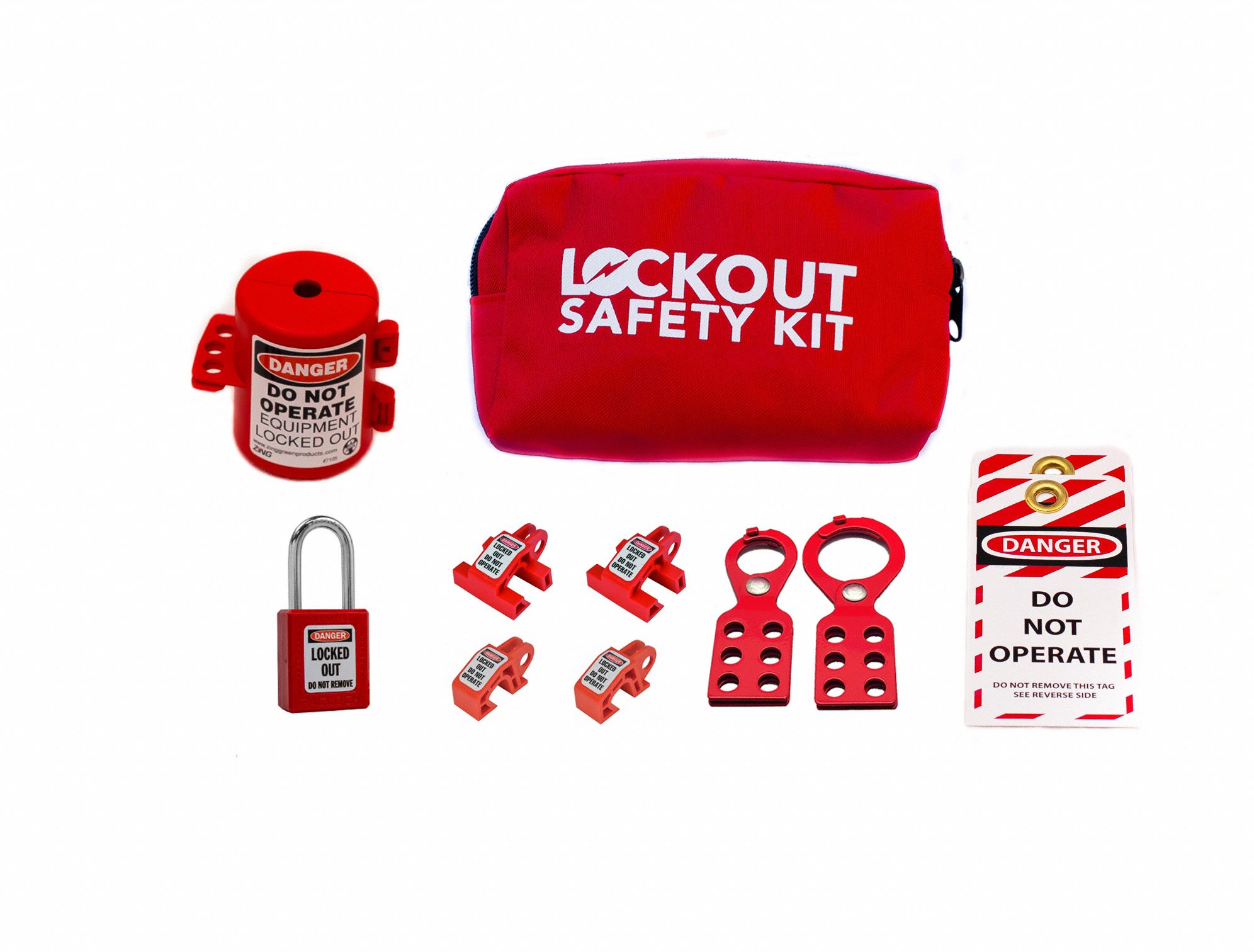
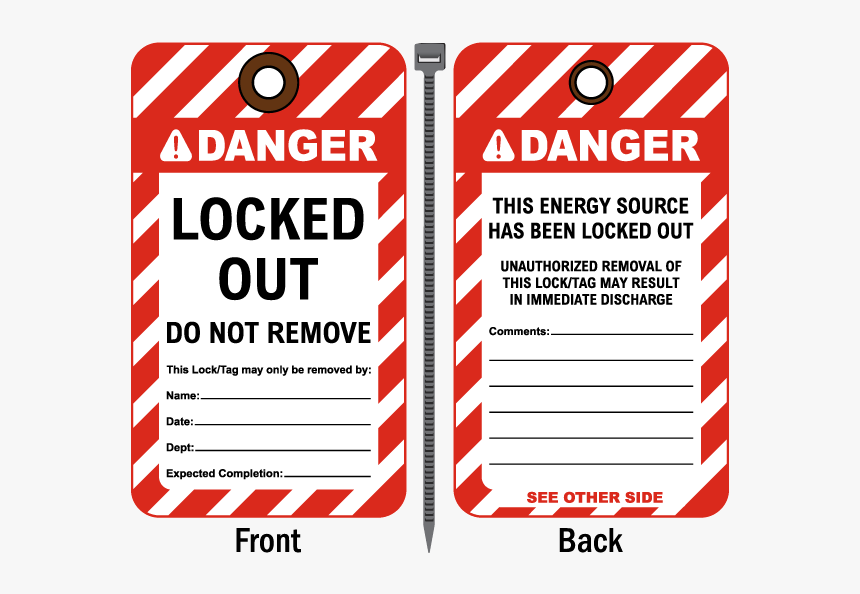
Lockout tagout is a safety procedure used to ensure that dangerous machines or energy sources are properly shut off and cannot be restarted until maintenance or servicing is complete. It involves physically locking energy-isolating devices—like circuit breakers or valve handles—with a personal lock and attaching a tag that identifies the worker, reason for isolation, and time.
The procedure applies to all forms of hazardous energy: electrical, mechanical, hydraulic, pneumatic, chemical, thermal, and even stored energy in springs or capacitors.
Why LOTO Matters Beyond Compliance
OSHA’s standard (29 CFR 1910.147) mandates LOTO for general industry, but compliance alone doesn’t guarantee safety. In 2023, OSHA cited over 3,000 violations related to energy control, many tied to incomplete procedures or employee bypassing of locks. The real cost isn’t fines—it’s lives. Consider a case in a Midwestern manufacturing plant where a technician was clearing a jam in a conveyor system. A coworker, unaware of the maintenance, re-energized the line. The result: severe arm trauma. The investigation revealed no lock was applied, and the tag was unsigned. A proper LOTO procedure could have prevented it.
The Six-Step LOTO Procedure: From Shutdown to Restart
A standardized LOTO process reduces variability and human error. Follow these six steps meticulously.
Step 1: Prepare for Shutdown
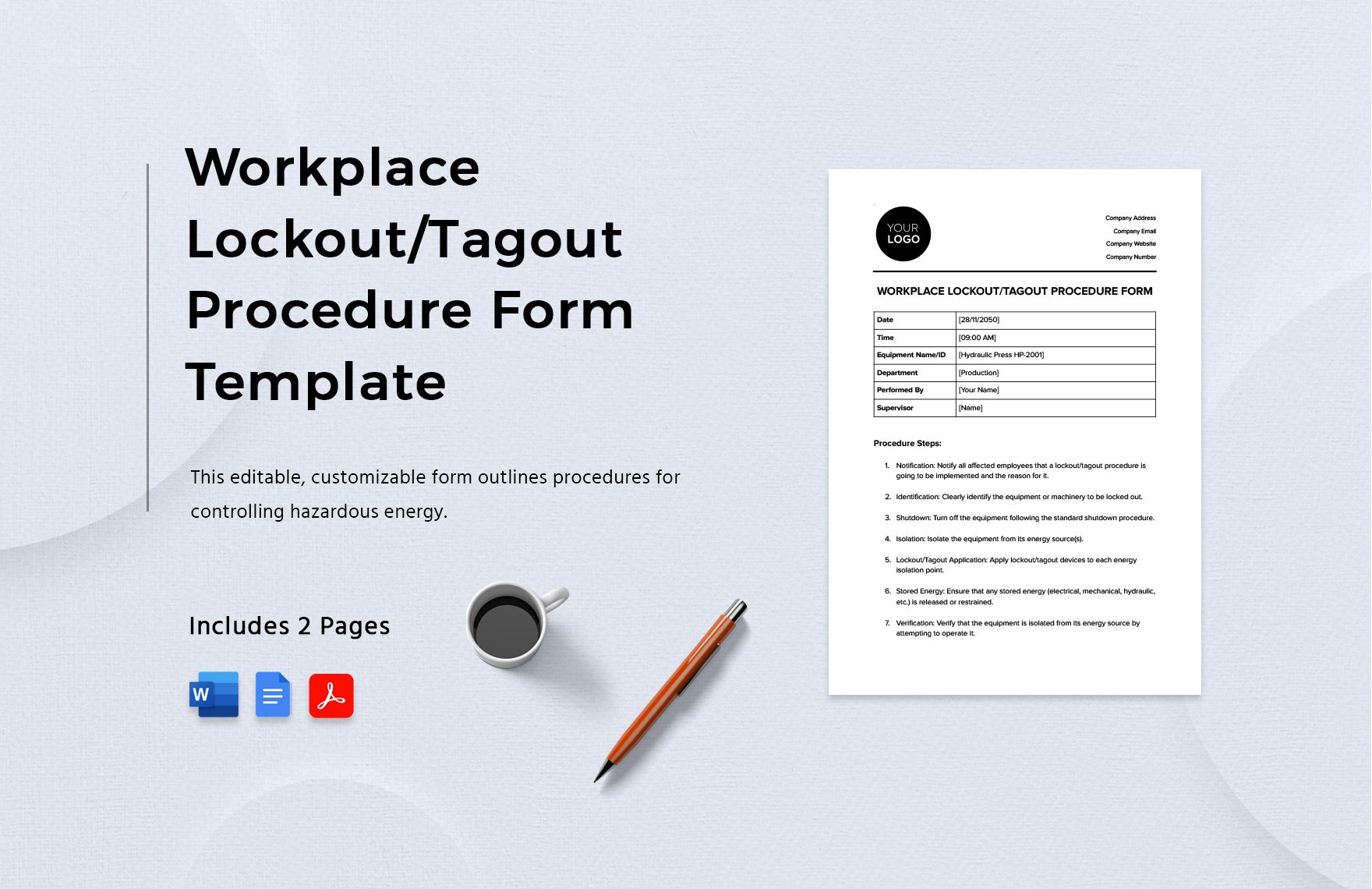
Before touching any equipment, workers must know the type and magnitude of energy involved and the methods to control it. This means consulting the machine-specific LOTO procedure, which should be documented and accessible.
Practical Tip: Conduct a pre-shift LOTO briefing for maintenance teams. Review the energy sources, required locks, and potential stored energy (e.g., pressurized lines or elevated parts).
Example: In a printing facility, a press uses high-pressure hydraulics and electrical drives. The technician must identify isolation points: main disconnect, hydraulic valve, and pneumatic bleed valve.
Common Mistake: Assuming all energy is eliminated after turning off the power switch. Residual pressure or gravity-driven movement can still pose risks.
Step 2: Notify Affected Personnel
Communication is key. All employees who operate or work near the equipment must be informed that maintenance is about to begin and that the machine will be shut down.
This isn’t just courtesy—it prevents someone from "helpfully" turning the machine back on, thinking it malfunctioned.
Use Case: In an automotive assembly plant, a robotic arm is being serviced. The technician alerts the line supervisor, who pauses the production line and informs adjacent stations via PA and visual signals.
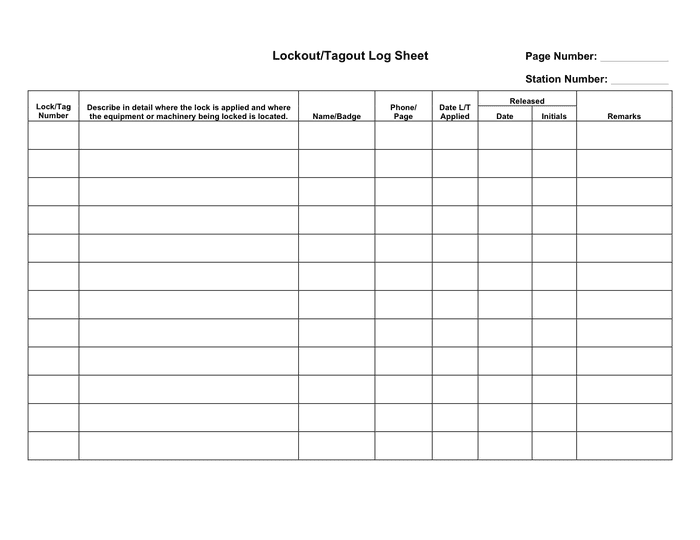
Best Practice: Use a sign-in sheet or digital log where affected workers acknowledge the LOTO initiation.
Step 3: Shut Down the Equipment
Use normal stopping procedures. Press the emergency stop, turn off the control switch, or follow the manufacturer’s shutdown sequence.
Never rely on emergency stops as isolation points. They don’t disconnect power; they only interrupt control circuits.
Critical Note: Some machines have multiple stop functions. Know the difference between “stop” and “isolate.”
Step 4: Isolate All Energy Sources
This is the core of LOTO. Locate every energy-isolating device and disconnect it:
- Electrical: Main disconnects, breakers, pull switches
- Mechanical: Valve locks, blockades
- Hydraulic/Pneumatic: Bleed valves, lockable shut-offs
- Thermal: Isolation of steam or coolant lines
Apply lockout devices (e.g., hasp, valve lock, circuit breaker lock) and attach your personal lock. No one else should be able to remove it.
Example: A boiler maintenance team isolates the gas supply valve with a lockout clamp, locks the main power disconnect, and bleeds residual pressure through a manual release. Each step requires a dedicated lock.
Pro Tip: Use group lockout boxes when multiple workers are involved. Each technician applies their lock to the box, which holds the single key to the energy source.
Step 5: Control Stored Energy
Even after isolation, energy can remain in capacitors, springs, elevated parts, or pressurized lines. This step requires verification and safe release.
- Depressurize lines
- Drain fluids
- Ground high-voltage components
- Lower suspended loads
Real-World Failure: A maintenance worker in a food processing plant was injured when a spring-loaded mixer arm snapped back after being released. The stored mechanical energy wasn’t dissipated before unlocking.
Checklist for Stored Energy: - [ ] Bleed pneumatic lines - [ ] Disconnect and discharge capacitors - [ ] Block or lower mechanical arms - [ ] Drain hydraulic reservoirs - [ ] Verify zero movement
Step 6: Verify Isolation (The
Most Critical Step)
Never assume the machine is safe. Verify it.
Attempt to restart the machine using normal operating controls—while standing clear. If it doesn’t start, and no energy is detected (use voltage testers, pressure gauges), then isolation is confirmed.
Workflow Tip: Perform verification with a second worker as a witness. Document the test.
Common Error: Skipping verification because “it’s been done a hundred times.” Complacency kills.
Who Is Responsible? Roles in LOTO
LOTO isn’t just the technician’s job. Clear roles prevent confusion.
Authorized Employee
- Trained to implement LOTO
- Applies locks and tags
- Performs servicing
- Must understand energy types and control methods
Affected Employee
- Operates or uses the equipment
- Must understand LOTO’s purpose
- Cannot remove locks or bypass tags
Supervisor
- Ensures procedures are followed
- Provides training and audits
- Maintains LOTO documentation
Example: In a warehouse, a conveyor belt jams. The operator (affected employee) notifies the maintenance tech (authorized). The supervisor verifies the LOTO log is updated and checks compliance during weekly safety rounds.
Equipment-Specific LOTO Challenges Not all machines are the same. Some require extra precautions.

Complex Machinery with Multiple Energy Sources Heavy manufacturing equipment often uses several energy types. A CNC machine, for instance, may have electrical, hydraulic, and pneumatic inputs—each needing separate isolation.
Solution: Use a LOTO checklist specific to the machine. Post it near the control panel.
Shared Control Panels In production lines, one panel may control multiple machines. Locking out one unit without checking dependencies can leave others energized.
Best Practice: Map energy flow during risk assessments. Use system-wide LOTO procedures.
Stored Energy in Robotics Industrial robots store kinetic and electrical energy. Even when powered down, servos can release energy unexpectedly.
Critical Step: Follow manufacturer-specific lockout instructions. Many require software disable in addition to physical isolation.
Common LOTO Mistakes and How to Fix Them
Even experienced teams make errors. Here are the most frequent—and dangerous—ones.
1. Using Tags Without Locks Tags alone don’t prevent startup. They’re warnings, not barriers. OSHA allows tag-only use only in rare cases where lockout is not feasible.
Fix: Always use locks unless a documented exception exists—and even then, add secondary controls.
2. “Buddy Locking” or Shared Keys One worker applies a lock for another. Or master keys are kept on-site.
Risk: Defeats personal accountability. Anyone can remove the lock.
Fix: Each worker uses their own lock and key. No exceptions.
3. Skipping Stored Energy Control Assuming “it’s safe” after power off.
Fix: Make stored energy verification mandatory in all LOTO procedures.
4. Incomplete Documentation Failing to update LOTO logs, or not having machine-specific procedures.
Fix: Digitize LOTO records. Use cloud-based systems with audit trails.
Tools and Devices for Effective LOTO
The right equipment ensures reliability and compliance.
| Device | Purpose | Example Use |
|---|---|---|
| Hasp Lockout | Allows multiple locks on one isolation point | Group maintenance on a main breaker |
| Valve Lockout | Secures isolation valves | Gas line or hydraulic system |
| Circuit Breaker Lock | Prevents re-energizing | Electrical panels |
| Plug Lockout | Covers electrical plugs | Portable tools |
| Lockout Station | Centralized storage for locks, tags, hasps | Maintenance shop |
Pro Insight: Use color-coded locks by department or shift to improve visibility and accountability.
Training and Compliance: Keeping LOTO Alive
A perfect procedure means nothing without training and reinforcement.
- Initial training for all authorized and affected employees
- Retraining every 12 months or after incidents
- Periodic audits (at least annually) by supervisors
Example: A chemical plant conducts quarterly LOTO drills. Technicians perform a mock lockout while supervisors observe and score each step. Results feed into performance reviews.
Red Flag: If workers can’t explain their LOTO procedure without referencing a manual, training has failed.
Final Thoughts: LOTO Is a Culture, Not a Checklist
The lockout tagout procedure is only as strong as the organization’s commitment to safety. It’s not about slapping a tag on a switch and calling it a day. It’s about discipline, verification, and shared responsibility. Every step—from notification to verification—exists because someone once got hurt skipping it.
Implement LOTO with precision. Train relentlessly. Audit consistently. And never let efficiency override safety. When a machine stays off because a single lock holds it, remember: that lock isn’t just metal. It’s a promise.
Act now: Review your current LOTO procedures. Walk through them with a technician. Identify one gap—and fix it today.
Frequently Asked Questions
What is the first step in a lockout tagout procedure? The first step is preparing for shutdown by identifying the type and source of energy and the methods to control it.
Can a tag be used instead of a lock? Only in limited cases where a lock can’t be applied. Tags alone are less secure and require additional safety measures.
Who can remove a lockout device? Only the authorized employee who applied the lock may remove it, unless a formal removal procedure is followed.
What happens if the person who locked out is not available? A supervisor may remove the lock following a documented, verified process, including attempts to contact the employee.
Do LOTO procedures apply to corded portable tools? Yes. Unplugging the tool and locking the plug or outlet is required during servicing.
Is LOTO required for routine production work? No, but it is required for any task involving clearing jams, replacing parts, or maintenance where employees must bypass guards.
How often should LOTO procedures be reviewed? At least annually, or whenever equipment changes, new processes are introduced, or an incident occurs.
FAQ
What should you look for in Lockout Tagout Procedure: A Step-by-Step Safety Guide? Focus on relevance, practical value, and how well the solution matches real user intent.
Is Lockout Tagout Procedure: A Step-by-Step Safety Guide suitable for beginners? That depends on the workflow, but a clear step-by-step approach usually makes it easier to start.
How do you compare options around Lockout Tagout Procedure: A Step-by-Step Safety Guide? Compare features, trust signals, limitations, pricing, and ease of implementation.
What mistakes should you avoid? Avoid generic choices, weak validation, and decisions based only on marketing claims.
What is the next best step? Shortlist the most relevant options, validate them quickly, and refine from real-world results.