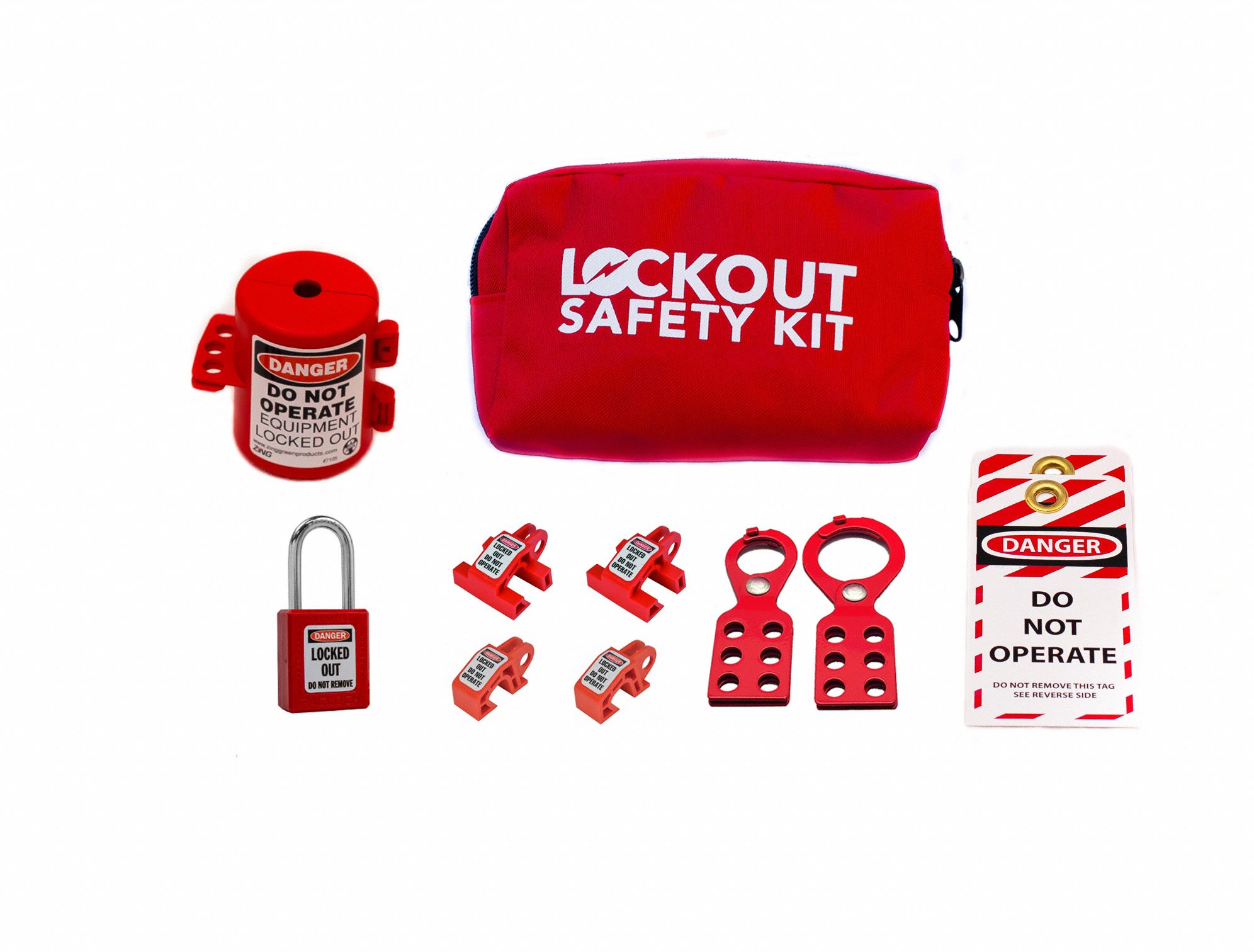
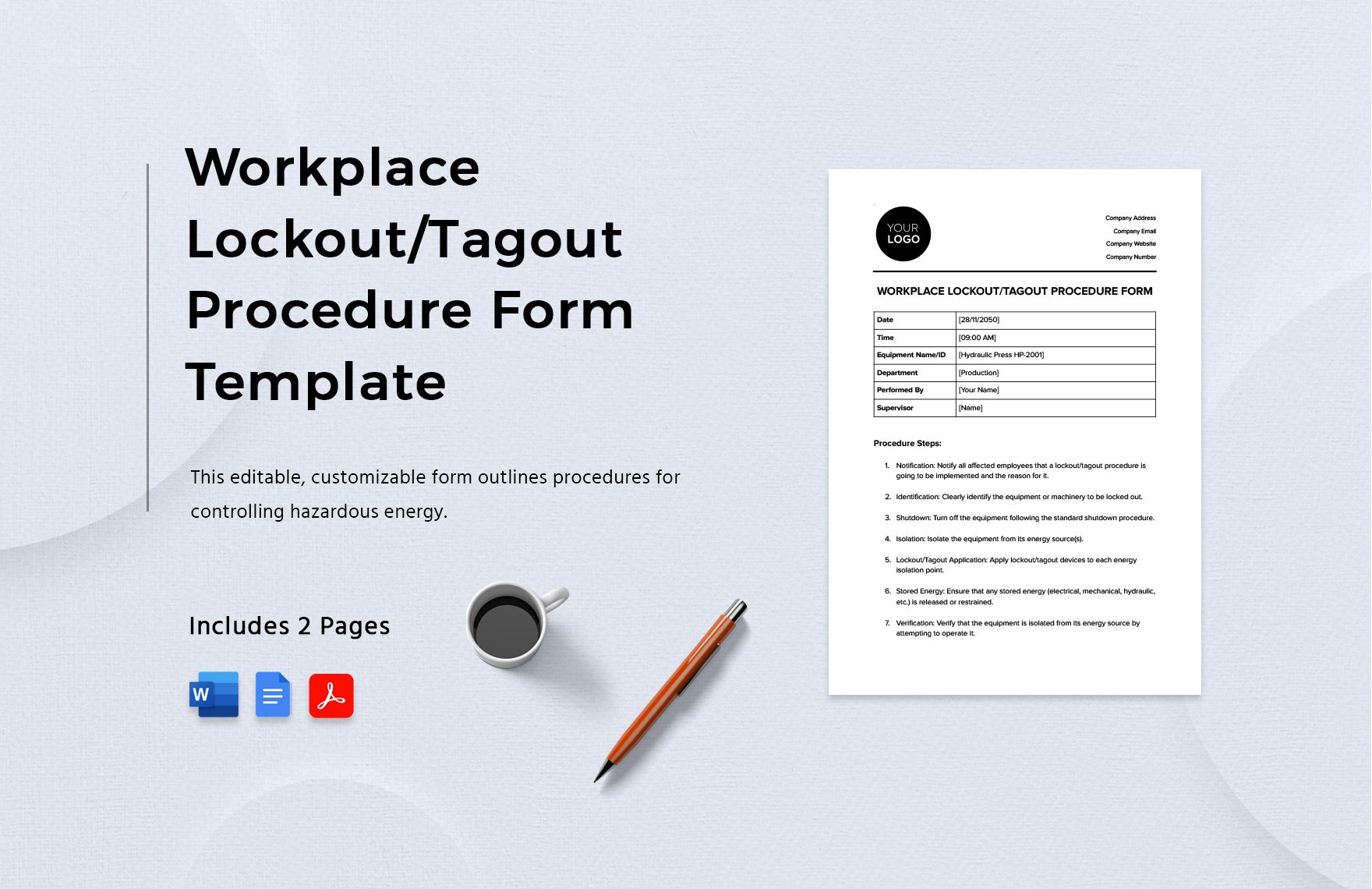
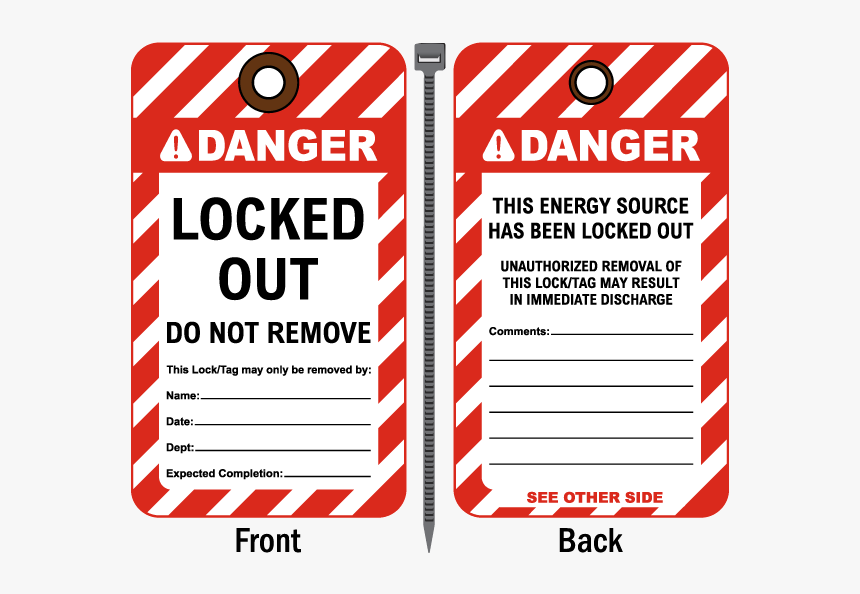
In high-risk industrial environments, one missed step during equipment maintenance can lead to catastrophic injury—or worse. Despite strict OSHA regulations, energy isolation failures still happen. At the center of many successful lockout tagout (LOTO) programs is a simple but critical tool: the lockout tagout key box. It’s not just a storage container—it’s a control point that ensures only authorized personnel can restart machinery after service.
When a machine is locked out, its energy source must remain isolated until maintenance is complete. But what happens when multiple workers are involved, or the lockout spans shifts? That’s where the lockout tagout key box becomes indispensable.
What Is a Lockout Tagout Key Box?
A lockout tagout key box is a secure enclosure designed to hold the keys to energy-isolating devices—like breaker switches, valve locks, or control panels—while equipment is under maintenance. Workers place their personal padlocks on the box, and the key inside is the only one that can re-energize the system. The box remains locked until every worker removes their lock, ensuring all personnel are clear before operations resume.
This isn’t just about convenience. It’s a procedural safeguard that enforces accountability and sequence.
For example, consider a maintenance team servicing a conveyor system in a food processing plant. Three electricians and a mechanical technician must each perform checks. Each applies their personal lock to the key box, which contains the master key to the motor disconnect. Only when all four tasks are finished—and all four locks removed—can the key be retrieved and the system restarted.
Without this system, one worker could prematurely restore power, not knowing others are still at risk.
Why Key Boxes Are Essential in Multi-Person LOTO Procedures
Group lockout scenarios expose gaps in safety protocols. Traditional lockout hashrings or hasps work for single-person maintenance, but they fall apart when multiple workers are involved. A key box transforms the process from chaotic to controlled.
Here’s how: - Centralized control: All locks and keys are managed in one visible, tamper-resistant location. - Sequential accountability: Each worker’s lock must be removed before the key is accessible. - Shift handover clarity: Keys stay secured during shift changes, preventing unauthorized restarts. - Audit readiness: The physical chain of locks provides verifiable proof of compliance.
One common mistake? Using a toolbox or unsecured drawer to store keys. That violates OSHA 1910.147 by allowing unauthorized access. A compliant key box must be lockable, durable, and designed specifically for LOTO use.
How a Lockout Tagout Key Box Integrates Into LOTO Workflow
Implementing a key box isn’t plug-and-play. It must align with your existing safety procedures.
Here’s a realistic workflow:

- Preparation: The authorized employee identifies all energy sources and required isolation points.
- Shutdown: Equipment is powered down following site-specific procedures.
- Isolation: Each energy source is physically locked with a lockout device.
- Key Storage: The key to re-energize the main disconnect is placed inside the key box.
- Application of Locks: Each worker on the job applies their personal padlock to the key box.
- Verification: The lead technician confirms zero energy state before work begins.
- Completion: After work is done, each worker removes their own lock.
- Re-energization: Once all locks are removed, the key is retrieved and power is restored.
This system eliminates guesswork. If one lock remains, the key stays trapped. It’s a physical manifestation of the “last lock off, first lock on” principle.
“A key box doesn’t just store keys—it stores responsibility.” – Safety Manager, Automotive Manufacturing Plant
Types of Lockout Tagout Key Boxes
Not all key boxes are created equal. The right choice depends on your environment, team size, and process complexity.
1. Standard Personnel Lockout Key Box Designed for 6–12 workers, this box features individual lock slots and a central compartment for the master key. Ideal for routine maintenance on production lines.
2. Multi-Bank Key Box Used when multiple machines or systems are serviced simultaneously. Separate compartments store keys for different zones, each controlled by its own set of locks.
3. Magnetic Key Holder Box Keys are held by a magnetic strip inside the box. Only when all external locks are removed can the door be opened to retrieve the key. Prevents key removal without full clearance.
4. Time-Delay Key Box Used in shift handovers. The box remains locked for a set period, allowing incoming workers to verify status before continuing. Adds a buffer against miscommunication.
5. Weather-Resistant Outdoor Key Box Built for harsh environments like refineries or outdoor substations. Corrosion-resistant materials ensure reliability in rain, dust, or extreme temperatures.
Choosing the wrong type creates bottlenecks. A 6-lock box on a 10-person crew forces workarounds—like stacking locks, which violates OSHA standards. Always size your key box for worst-case scenarios.
Common Mistakes and How to Avoid Them
Even experienced teams make errors with key boxes. Awareness is the first step to prevention.
Mistake 1: Using a Single Master Lock One lock on the box, shared among workers, defeats the purpose. Individual responsibility is lost. ✅ Fix: Require personal padlocks for every worker.
Mistake 2: Storing Extra Keys Nearby Leaving a spare key in a desk drawer or taped under a cabinet invites accidental or malicious restarts. ✅ Fix: Destroy duplicates. Only one key should exist—and it stays in the box.
Mistake 3: Poor Placement Mounting the box out of sight or far from the equipment increases the risk of missed steps. ✅ Fix: Install the box near the machine or main disconnect point, within line of sight.
Mistake 4: Skipping Verification Assuming the system is de-energized without testing leads to complacency. ✅ Fix: Include electrical testing in the procedure, even with a key box in place.
Mistake 5: Using Non-Compliant Boxes Some generic lockboxes lack durability or proper locking mechanisms. ✅ Fix: Choose boxes tested to industrial standards, with clear labeling and corrosion resistance.
These aren’t hypothetical issues. In 2022, an OSHA report cited a packaging facility where a worker was injured after a colleague retrieved a key from an unlocked drawer. A proper key box would have prevented access.
Top 5 Lockout Tagout Key Boxes on the Market
Selecting the right equipment matters. These five models are widely used in manufacturing, utilities, and process industries for reliability and compliance.

| Product | Lock Capacity | Key Feature | Best For |
|---|---|---|---|
| Brady LOCKOUT12 | 12 locks | Clear window, rust-resistant steel | High-traffic production lines |
| Grainger 4Y998 | 8 locks | Magnetic key retention | Electrical substations |
| Master Lock 1690DAT | 10 locks | Weatherproof, outdoor-rated | Oil and gas, outdoor equipment |
| SLOK 12-Position Key Box | 12 locks | Dual-compartment design | Multi-team maintenance |
| Honeywell SPS700 | 6 locks | Integrated audit trail tag | Regulated environments |
Each offers durability and clear visual indicators. The Honeywell model, for instance, includes a tag slot for recording work details—useful for audits. The SLOK dual-compartment box separates primary and secondary system keys, reducing confusion during complex shutdowns.
Price varies from $80 to $200, but the investment pays off in reduced downtime and compliance risk.
Integration With Safety Management Systems
Forward-thinking companies are embedding key boxes into broader safety workflows.
Digital LOTO systems now pair physical key boxes with cloud logging. Workers scan badges when applying or removing locks. The system records timestamps, names, and equipment IDs. Supervisors get real-time alerts if a lock remains past scheduled completion.
While fully digital LOTO is emerging, hybrid models—physical locks with digital tracking—offer the best balance of reliability and insight.
One pharmaceutical plant reduced LOTO errors by 70% after integrating key boxes with their CMMS (Computerized Maintenance Management System). Maintenance orders now trigger automatic lockout checklists, including key box usage.
Final Thoughts: A Simple Device With Lifesaving Impact
The lockout tagout key box is more than a container. It’s a control mechanism, a communication tool, and a compliance anchor. In environments where split-second mistakes lead to life-altering consequences, it provides a fail-safe layer that no checklist alone can match.
Implementing one won’t eliminate every risk. But it closes critical gaps in multi-person lockout, shift transitions, and energy isolation verification.
If you’re still relying on verbal handoffs or unsecured keys, you’re one incident away from a preventable tragedy. Choose a durable, appropriately sized key box. Train your team on its use. Audit it regularly. Make it non-negotiable.
Because when the machine powers back up, you need absolute certainty: every worker is clear, every lock is off, and every procedure was followed.
FAQ
What is the purpose of a lockout tagout key box? It securely stores the key needed to re-energize equipment during maintenance, ensuring power isn’t restored until all workers have removed their personal locks.
Can multiple people use the same lock on a key box? No. Each worker must use their own personal lock to maintain individual accountability under OSHA 1910.147.
Where should a lockout key box be installed? Near the equipment being serviced, within line of sight of the energy-isolating device, and in a location protected from damage or tampering.
What happens if a worker loses their lock key? The lock must be removed using a master key (controlled by a supervisor) only after confirming the worker is clear and work is complete. Procedures should outline this exception.
Are digital key boxes compliant with OSHA? Yes, if they provide equivalent protection—individual accountability, physical isolation, and documented control. Hybrid systems with digital logging and physical locks are widely accepted.
Can a key box be used for single-person lockout? It’s not necessary but can be used for consistency, especially during shift changes or when storing keys for backup systems.
How do I train staff on key box usage? Include it in your LOTO training program with hands-on drills, clear SOPs, and periodic audits to verify correct application.
FAQ
What should you look for in Lockout Tagout Key Box: Secure, Compliant, and Access Controlled? Focus on relevance, practical value, and how well the solution matches real user intent.
Is Lockout Tagout Key Box: Secure, Compliant, and Access Controlled suitable for beginners? That depends on the workflow, but a clear step-by-step approach usually makes it easier to start.
How do you compare options around Lockout Tagout Key Box: Secure, Compliant, and Access Controlled? Compare features, trust signals, limitations, pricing, and ease of implementation.
What mistakes should you avoid? Avoid generic choices, weak validation, and decisions based only on marketing claims.
What is the next best step? Shortlist the most relevant options, validate them quickly, and refine from real-world results.