Every year, workers suffer preventable injuries because machinery is accidentally re-energized during maintenance. The root cause? Incomplete or poorly executed lock out tag out (LOTO) procedures. While the lockout device itself — especially the lock — is often seen as a minor detail, it’s actually the final physical barrier between safety and catastrophe. Lock out tag out locks aren’t just accessories; they are the cornerstone of an effective energy control program.
If your LOTO program relies on generic padlocks, shared keys, or unclear tagging, you’re not compliant — and you're putting lives at risk. This guide cuts through the noise to show you what makes a lock out tag out lock truly effective, how to choose the right one, and where most safety teams fall short.
What Is a Lock Out Tag Out Lock?
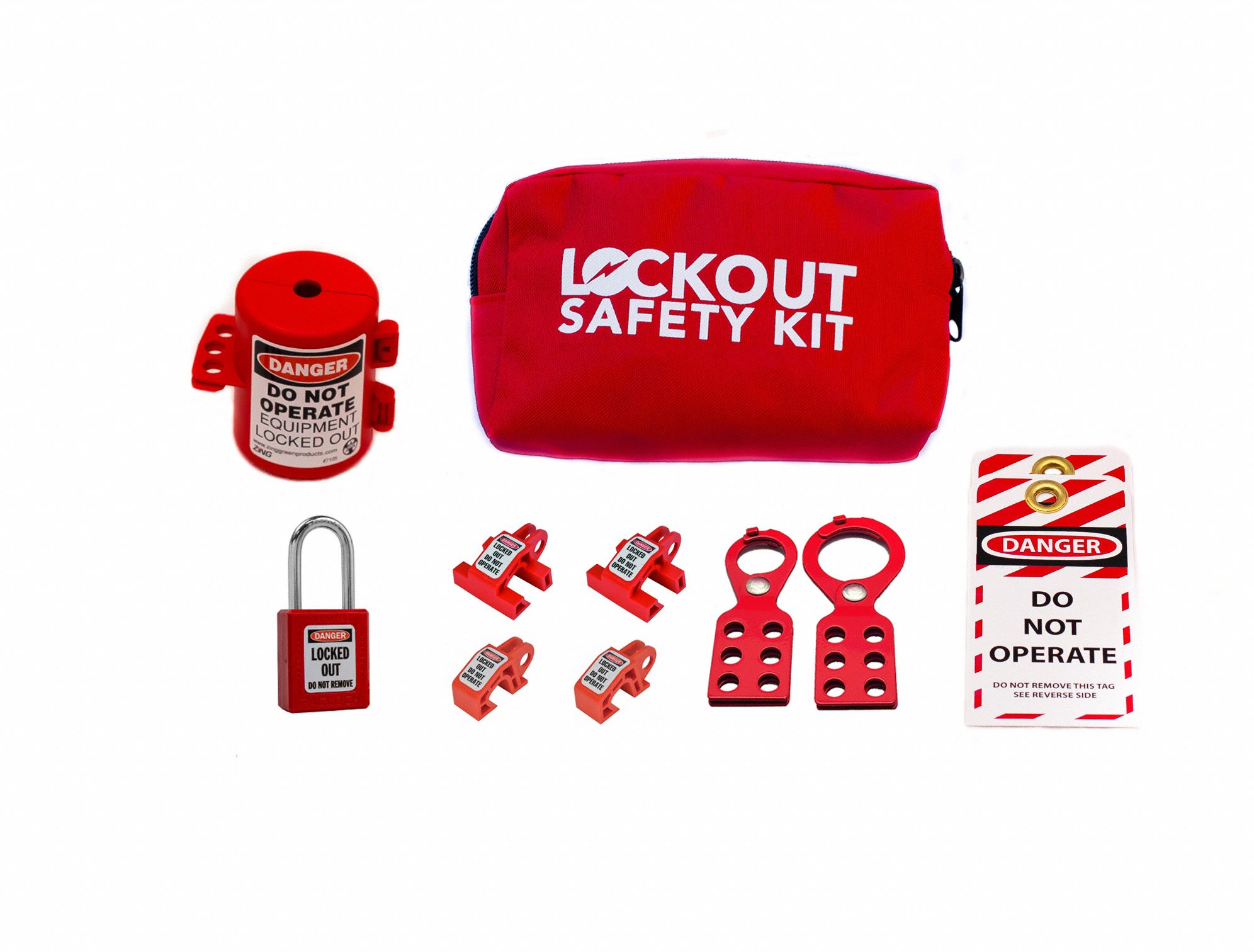
A lock out tag out lock is a specialized padlock used during maintenance and servicing of machinery to prevent the accidental release of hazardous energy. It physically secures energy-isolating devices like circuit breakers, valves, switches, or disconnects, ensuring equipment cannot be started until maintenance is complete.
Unlike regular padlocks, LOTO locks are designed with specific safety requirements:
- Single-key control: Only the authorized employee holds the key.
- Non-rekeyable or master-key restricted: Prevents unauthorized duplication.
- Color-coded or labeled: Identifies ownership and purpose.
- Durable materials: Resists corrosion, heat, and tampering.
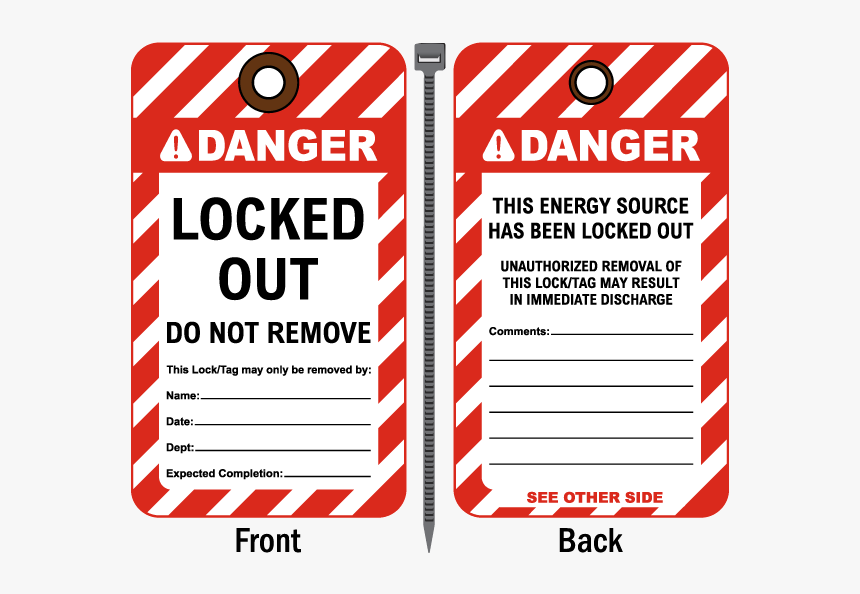
These locks are used in tandem with tags, which provide information about who locked the device, when, why, and what energy sources are isolated.
Together, they form the final, visible layer of protection in a formal LOTO procedure.
Why Standard Padlocks Don’t Cut It
Many facilities use off-the-shelf hardware store padlocks for LOTO — a dangerous shortcut.
Generic locks introduce multiple failure points:
- Shared keys: Multiple people can unlock the same lock, violating individual control.
- No employee identification: Impossible to trace who applied the lock.
- Lack of durability: Plastic or low-grade metal fails in harsh environments.
- No compliance markings: Not recognized under OSHA 1910.147 standards.
Worse, using standard locks undermines the psychological weight of the LOTO process. Workers begin to see the lock as a formality, not a life-saving checkpoint.
Real-world example: A maintenance technician in a Midwest manufacturing plant was injured when a conveyor restarted during servicing. The root cause? A borrowed padlock was removed by a coworker who assumed the work was done. The lock wasn’t tagged clearly, and the key was shared across shifts.
This is exactly what OSHA’s LOTO standard was created to prevent.
Key Features of Effective Lock Out Tag Out Locks

Not all LOTO locks are created equal. The best ones meet strict operational and safety criteria.
1. Individual Ownership Each lock must be assigned to a single employee. This ensures personal accountability. When a worker applies a lock, they are the only one who can remove it — unless proper transfer procedures are followed.
2. High-Quality Shackle Material
- Steel or stainless steel shackles resist cutting and corrosion.
- Vinyl-coated shackles prevent sparking in flammable environments.
- Small-diameter shackles (5–8mm) fit into tight spaces like breaker handles.
3. Unique Identification Locks should be engraved, labeled, or color-coded with the user’s name, photo, or ID number. This eliminates confusion and speeds up verification during audits.
4. Compliance
with OSHA and ANSI Standards Look for locks that meet:
- OSHA 29 CFR 1910.147
- ANSI Z244.1-2003 (R2020)
These standards define performance, durability, and usage requirements for energy control devices.
5. Environmental Resistance In wet, dusty, or high-heat environments, locks must perform flawlessly. Stainless steel housings and weatherproof designs are non-negotiable in plants, refineries, or outdoor operations.
Common LOTO Lock Mistakes (And How to Avoid Them)
Even experienced teams make critical errors. These are the most frequent — and fixable — problems.
Mistake #1: Using Group Locks Without Clear Protocols
When multiple workers service a machine, a group lockout is required. But many teams use a single hasp with shared locks, creating confusion.
Fix: Use group lockout stations with individual locks and a central hasp. Each worker applies their own lock. The machine stays locked until every person removes theirs.
Mistake #2: Allowing Key Duplication If a LOTO lock’s key can be copied at a hardware store, it’s not safe.
Fix: Use non-rekeyable locks or a restricted key system where only authorized personnel can obtain duplicates.
Mistake #3: Poor Tagging Practices A lock without a tag is meaningless. Tags must include: - Employee name - Department - Date and time - Reason for lockout - Equipment ID
Fix: Use pre-printed or fillable tag templates and enforce strict documentation.
Mistake #4: Ignoring Stored Energy Locks only control primary energy sources. Failure to address stored energy (springs, hydraulic pressure, capacitors) leads to accidents.
Fix: Include stored energy bleed-off steps in your LOTO procedure and verify isolation before work begins.
Top 5 Lock Out Tag Out Lock Systems
Choosing the right lock depends on your environment, workforce size, and equipment complexity. Here are five proven systems:

| Product | Best For | Key Features | Limitations |
|---|---|---|---|
| Master Lock 4680DAT | General manufacturing | 12-pack kit, vinyl-coated steel shackle, ID tags, OSHA-compliant | Limited color options |
| Grace Industries LO-TO-100 | High-risk environments | Non-conductive, 5mm shackle, photo ID tags, tamper-resistant | Higher cost |
| SafelyLock LOTO Pro | Large teams | Custom engraving, restricted key system, digital inventory tracking | Requires setup time |
| Seton 61611 | Chemical plants | Stainless steel, chemical-resistant, glow-in-the-dark tags | Smaller shackle size |
| King Towel LOTO-588 | Multi-craft maintenance | Universal fit, dual-lock hasp, bilingual tags | Less durable in extreme heat |
All of these systems support individual accountability and comply with OSHA standards. For multi-site operations, consider paired digital logging tools that track lock usage and audit trails.
How to Integrate LOTO Locks Into Your Safety Workflow
A lock is only as strong as the procedure behind it. Here’s how to build a functional LOTO workflow:
- Conduct an Energy Source Audit
- Map every machine and identify all energy types (electrical, pneumatic, hydraulic, thermal).
- Develop Machine-Specific LOTO Procedures
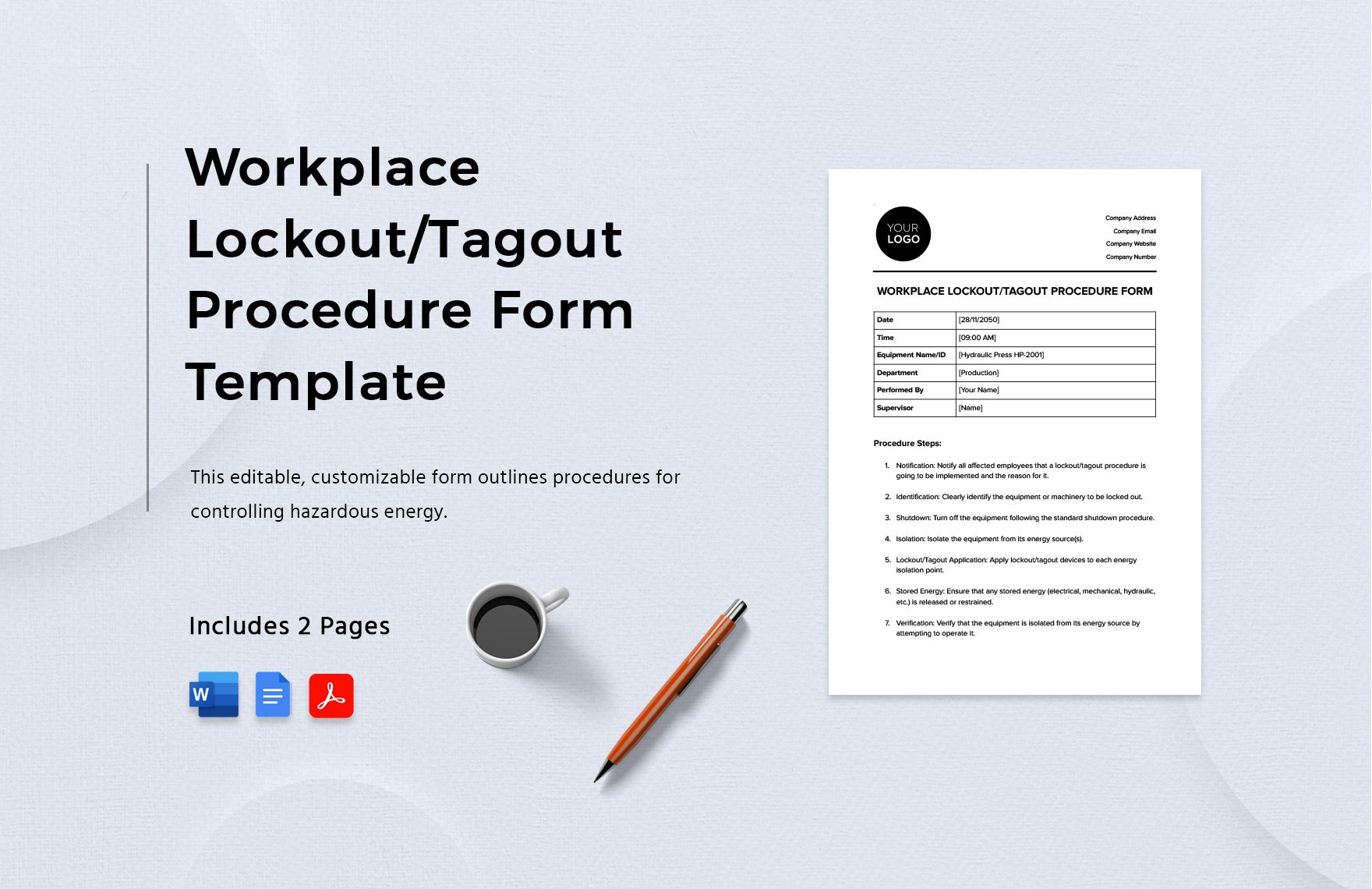
- Document step-by-step shutdown, isolation, locking, and verification steps.
- Train Authorized and Affected Employees
- - Authorized employees perform lockout and apply locks.
- - Affected employees operate or use the equipment but don’t service it.
- Deploy Locks with Clear Ownership
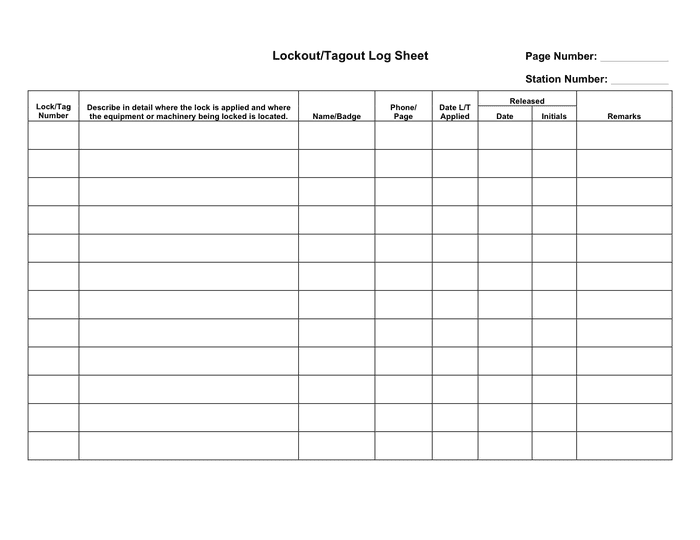
- Issue locks individually. Maintain a master log with photos and IDs.
- Audit and Improve Quarterly
- Observe real lockout events. Check for compliance gaps and retrain as needed.
Pro tip: Use color-coded locks by department (e.g., red for electrical, blue for mechanical) to improve visibility and reduce errors.
The Hidden Cost of LOTO Failures
It’s not just about fines. OSHA penalties for LOTO violations average $15,625 per instance — but the real cost is far higher.
Consider: - Downtime from incident investigations - Worker compensation claims - Reputational damage - Loss of employee trust
A single accident can cost hundreds of thousands in indirect expenses. In contrast, a full LOTO lock and tag system for 50 employees costs less than $2,000 — a fraction of the risk.
One automotive parts factory reduced maintenance incidents by 76% within a year of upgrading to individualized, engraved LOTO locks and enforcing strict tagging. Their ROI was measured not in dollars, but in lives protected.
Final Thoughts: Locks Are More Than Metal — They’re a Culture
A lock out tag out lock is more than a device. It’s a symbol of responsibility, discipline, and respect for human life.
When a technician places their personal lock on a machine, they’re not just following a rule — they’re making a promise: This equipment stays off until I say otherwise.
That promise only works if the lock is trusted, traceable, and tamper-proof. Choose wisely. Train relentlessly. Audit consistently.
Your team’s safety doesn’t depend on a single lock — but it might come down to that one moment when the right lock holds firm.
Frequently Asked Questions
What makes a lock OSHA-compliant for LOTO? It must be durable, identifiable, sole-key controlled, and used as part of a formal energy control procedure.
Can we use combination locks for LOTO? Yes, if they meet OSHA requirements — but they must be assigned to one person, and the combination must not be shared.
How many locks can be on one device during group lockout? As many as needed — each authorized worker must apply their own lock.
Should LOTO locks be red? Red is standard, but color-coding by department or energy type can improve clarity.
Can a supervisor remove a LOTO lock? Only under strict transfer procedures, with documentation, and only after verifying the worker is safe and aware.
Do tags alone provide protection? No. Tags are warnings only. Physical locks are required to prevent energizing.
How often should LOTO procedures be reviewed? At least annually, or whenever equipment changes.
FAQ
What should you look for in Lock Out Tag Out Locks: The Definitive Guide to Safety Compliance? Focus on relevance, practical value, and how well the solution matches real user intent.
Is Lock Out Tag Out Locks: The Definitive Guide to Safety Compliance suitable for beginners? That depends on the workflow, but a clear step-by-step approach usually makes it easier to start.
How do you compare options around Lock Out Tag Out Locks: The Definitive Guide to Safety Compliance? Compare features, trust signals, limitations, pricing, and ease of implementation.
What mistakes should you avoid? Avoid generic choices, weak validation, and decisions based only on marketing claims.
What is the next best step? Shortlist the most relevant options, validate them quickly, and refine from real-world results.