The spotlight doesn’t just shine—it scalds. For many A-listers, fame isn’t just red carpets and accolades. It’s a relentless barrage of online harassment, cruel memes, and grotesque commentary about their bodies, skin, weight, and aging. Behind the glamour, a silent war rages: a war fought in comment sections, DMs, and viral edit videos mocking everything from a celebrity’s nose to their stretch marks.
This isn’t gossip. It’s a systemic issue of digital abuse that targets even the most powerful names in entertainment. And now, more stars are breaking their silence—not for sympathy, but to expose an industry and internet culture that weaponize insecurity.
The Cost of Fame: When Visibility Becomes Vulnerability
Celebrities are people, not avatars. Yet the public often treats them as fair game. The moment someone steps into fame, their appearance becomes a topic of endless public debate. What was once whispered in gossip columns now explodes across TikTok, X (formerly Twitter), and Instagram in real time—amplified by algorithms that reward outrage and mockery.
Take Lizzo. Despite her message of self-love and body positivity, she’s endured years of body-shaming. Every outfit, every stage move, every candid photo is dissected. Trolls label her "unhealthy," "unattractive," or worse. The irony? She’s among the few pushing back against Hollywood’s narrow beauty standards.
Or consider Chris Hemsworth. The chiseled Marvel hero has faced trolling not for his acting, but for aging. Once dubbed “the sexiest man alive,” he’s now mocked for gray hairs and “losing his looks.” The cruelty isn’t just sexist—it’s ageist, revealing how even male stars aren’t spared from appearance-based attacks.
The real cost? Mental health erosion. Anxiety, depression, and body dysmorphia don’t discriminate by paycheck size.
The Anatomy of Celebrity Trolling: How It Spreads
Online harassment isn’t random. It follows patterns—often fueled by pack mentality and algorithmic virality.
- Meme Culture as Weaponization: A single unflattering paparazzi photo can be turned into a viral meme in hours. Scarlett Johansson’s facial expressions, for instance, have been looped into grotesque animations mocking her “resting face.”
- Fan Wars Gone Toxic: Supporters of rival celebrities often attack others to elevate their favorites. Zendaya, despite her acclaim, has been targeted by fans of other actresses who claim she’s overrated or “photoshopped too much.”
- Anonymous Platforms as Launchpads: Sites like Reddit and certain X communities host threads dedicated to ranking celebrities by “ugliness” or “worst aging.” These spaces operate with little moderation, normalizing cruelty.
- “Hot Takes” by Influencers: Even media personalities join in. A popular YouTuber once dedicated a full video to “Why Margot Robbie’s Face Is Too Symmetrical,” dissecting her features like a science experiment.
The result? A culture where mocking appearance is not just accepted—it’s encouraged.
Stars Who’ve Spoken Out: Real Stories From the Frontlines
More A-listers are refusing to stay silent. Their stories reveal the emotional toll of relentless bullying.
Jennifer Lawrence: “I Feel Like I’m Constantly Being Judged”
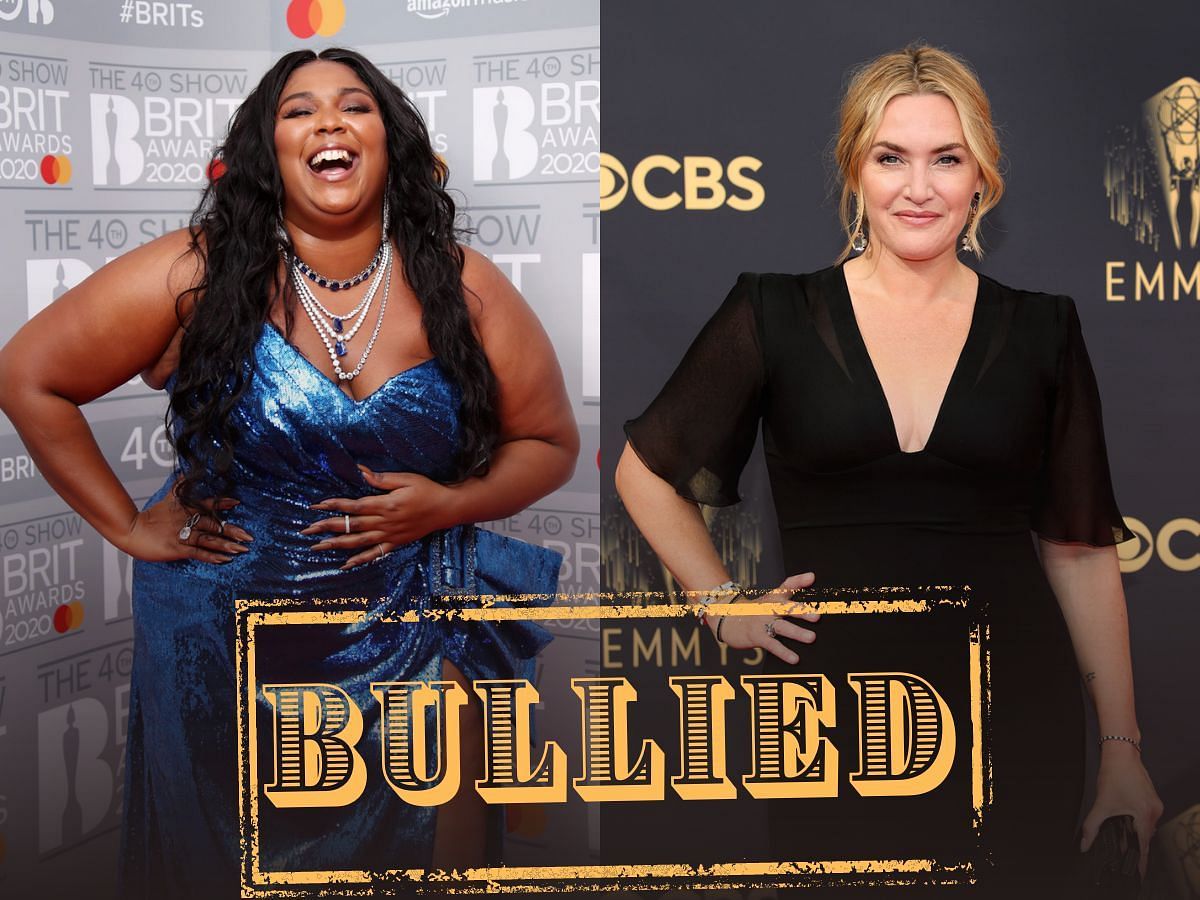
Lawrence has been open about struggling with body image. In a 2021 interview, she admitted that reading comments about her weight left her in tears. “You think you’re immune, but you’re not,” she said. “When people call you ‘fat’ or ‘lazy’ just for existing in a larger body, it chips away at you.”
She once deleted Instagram for months after a photo of her eating a burger sparked headlines like “JLaw Loses Control.” The image? A woman enjoying lunch. The reaction? A firestorm of moralizing and fatphobia.
Jonah Hill: “I Was Bullied My Whole Life—Even as a Star”
Before his acclaimed roles in Superbad and Moneyball, Hill was a target. After rising to fame, the trolling didn’t stop—it intensified. In his Netflix documentary Stutz, he reveals how years of body shaming led to disordered eating and deep insecurity.
“I spent my career being the ‘funny fat guy,’” he said. “And when I lost weight, people called me fake, said I was ‘abandoning my brand.’ You can’t win.”
Jameela Jamil: The Anti-Diet Activist Under Fire
After leaving The Good Place, Jamil became a vocal advocate against toxic beauty standards. She launched the “I Weigh” movement, challenging people to define themselves beyond their appearance.
The backlash was immediate and vicious. She’s been called “delusional,” “ugly,” and even received death threats. “They don’t hate my body,” she said. “They hate that I refuse to apologize for it.”
Why Hollywood’s Beauty Standards Fuel the Fire
Trolling doesn’t exist in a vacuum. It feeds on Hollywood’s long-standing obsession with perfection.
For decades, the industry has rewarded a narrow mold: young, thin, conventionally attractive, and eternally ageless. Anyone who deviates—whether through weight, skin tone, disability, or aging—is labeled “brave” for simply existing.
Actresses like Lupita Nyong’o and Viola Davis have spoken about being told they were “not the standard” during early auditions. Even now, Davis recalls being asked to “lighten her skin” for roles. These experiences don’t end with success—they follow stars into the public eye, where trolls echo the same biases.
Worse, studios often stay silent. While they profit from diversity campaigns, they rarely defend actors under attack. The message? Your image is ours to sell—your pain is yours to manage.
The Myth of “Just Blocking and Ignoring”
The common advice to celebrities? “Just block the haters” or “don’t read the comments.” But that oversimplifies a complex reality.
- Content Moderation is Impossible: Stars with millions of followers can’t manually filter every comment. Abuse slips through.
- Trolling Leaks Into Real Life: Viral attacks often spill into tabloids. If a meme goes big, it becomes news.
- Workplace Impact: Directors, studios, and casting agents do see public perception. Negative buzz can cost roles.
- Emotional Fatigue: Constant exposure to cruelty wears people down. “Ignoring” isn’t a switch you flip.
As actor Terry Crews put it: “You can’t ‘get over’ being told you’re worthless every single day. It’s death by a thousand cuts.”
What Can Be Done? Real Solutions Beyond Platitudes
Systemic problems need systemic fixes. Individual resilience isn’t enough.
Platform Accountability Social media companies must stop profiting from outrage. Algorithms that boost controversial or inflammatory content should be reformed. Instagram’s recent move to hide likes was a step—but it didn’t touch deeper issues like anonymous harassment or deepfakes.
Industry Responsibility Studios and networks should issue public support when their stars are attacked. Silence implies consent. Some agencies now include mental health clauses in contracts, but enforcement is rare.
Legal Recourse Several countries are tightening cyberbullying laws. In the U.S., defamation cases are hard to win, but doxxing, deepfake porn, and threats should be criminalized more aggressively.
Fan-Led Movements Positive fan communities can counteract the noise. Campaigns like #ProtectLizzo or #WeStandWithJameela have successfully pressured platforms to remove abusive content.
The Human Behind the Headline
At its core, this issue isn’t about celebrities—it’s about empathy. The same people mocking a star’s appearance might defend a friend in real life. The screen creates distance, dissolving accountability.
But these are real people. They feel pain. They cry. They second-guess themselves in the mirror.
When we reduce someone to a meme, a punchline, or a “before and after” transformation, we strip them of dignity. And in doing so, we normalize cruelty as entertainment.
A Call for Change: What You Can Do
You don’t need a platform to make a difference.
- Call out abuse: If you see a hateful comment, report it. Don’t amplify it.
- Support voices speaking up: Share their messages, not the attacks.
- Consume media critically: Question why certain bodies are mocked while others are idolized.
- Teach digital empathy: Especially to younger fans—online actions have real consequences.
Fame shouldn’t be a punishment. Beauty shouldn’t be a battleground.
The next time you’re tempted to laugh at a “celebrity fails” reel, ask yourself: Who’s really failing here?
FAQ
Why do celebrities get bullied more than regular people? Their visibility makes them targets. Public figures are seen as “shared property,” and their images are constantly circulated, making them easy prey for online mobs.
Can trolling affect a celebrity’s career? Yes. Negative public perception can influence casting decisions, brand deals, and media coverage—even if the criticism is baseless.
Do celebrities ever respond to trolls? Some do—Lizzo and Jameela Jamil have clapped back publicly. Others avoid engagement to protect their mental health.
Is body-shaming illegal? Not always. While harassment and threats are punishable, general body-shaming comments often fall under free speech, especially in the U.S.
How do trolls get away with it? Anonymity and platform algorithms. Many hide behind fake accounts, and social media rewards engagement—even if it’s hateful.
Are younger celebrities more affected? Often, yes. Gen Z stars like Millie Bobby Brown and Olivia Rodrigo have spoken about intense online scrutiny from a young age, impacting their self-worth.
Can social media platforms do more? Absolutely. Better moderation, faster takedown responses, and algorithmic changes could reduce the spread of abusive content.
FAQ
What should you look for in Hollywood Trolling Horror: A-Listers Reveal Relentless Bullying? Focus on relevance, practical value, and how well the solution matches real user intent.
Is Hollywood Trolling Horror: A-Listers Reveal Relentless Bullying suitable for beginners? That depends on the workflow, but a clear step-by-step approach usually makes it easier to start.
How do you compare options around Hollywood Trolling Horror: A-Listers Reveal Relentless Bullying? Compare features, trust signals, limitations, pricing, and ease of implementation.
What mistakes should you avoid? Avoid generic choices, weak validation, and decisions based only on marketing claims.
What is the next best step? Shortlist the most relevant options, validate them quickly, and refine from real-world results.