The glare of the spotlight doesn’t just illuminate success—it exposes every pore, every flaw, every inch of skin to global scrutiny. Behind the red carpets and magazine covers, A-list celebrities face a relentless war: the psychological assault of online trolling, where appearance becomes the primary weapon. From body-shaming memes to viral humiliation, stars are speaking out about the toll of being bullied over their looks—often by the very audiences that claim to adore them.
This isn’t gossip. It’s a mental health crisis masked as entertainment.
The Anatomy of Celebrity Trolling in the Digital Age
Trolling has evolved from anonymous forum jabs to a full-blown cultural sport, amplified by social media. For Hollywood stars, beauty standards are weaponized daily. Comments like “She’s aged overnight” or “He’s balding—what happened?” flood comment sections. Memes distort facial features. Deepfake videos circulate with malicious intent.
What makes this different from traditional criticism? Scale and permanence. A single tweet mocking Jennifer Lawrence’s walk or Chris Hemsworth’s “too-perfect” jawline can rack up millions of views in hours. Unlike film reviews or fashion critiques, these attacks aren’t about craft—they’re personal, dehumanizing, and often gendered.
Women face disproportionate targeting. Scarlett Johansson has been trolled for her age, weight, and even her motherhood choices. Lupita Nyong’o, despite being hailed as one of the most beautiful women in the world, has been subjected to racist caricatures and skin-tone attacks. These aren’t isolated incidents—they’re patterns woven into the fabric of online culture.
When Public Figures Become Public Targets
Celebrities aren’t immune to pain—but they’re expected to be. The unspoken rule: endure the abuse, smile through it, and never complain. Until now.
Stars are breaking silence not for sympathy, but accountability.
In a 2023 interview, Florence Pugh revealed how online bullying over her body led to a spiral of anxiety: > “I’d see edits of me in a bikini with captions like ‘Who let her out looking like that?’ And I’d think… is that really how people see me? I started avoiding mirrors.”
Her experience isn’t unique. Millie Bobby Brown has spoken about deleting Instagram after being called “ugly” and “flat-chested” by thousands of anonymous accounts. Shawn Mendes canceled shows, citing mental health struggles worsened by appearance-based trolling.
The damage isn’t just emotional—it’s professional. Casting decisions can be influenced by public perception. An actor labeled “unattractive” online might lose roles, regardless of talent. Studios hesitate to back stars deemed “controversial,” even when the controversy is manufactured by trolls.
The Role of Social Media Platforms: Complicit or Powerless?
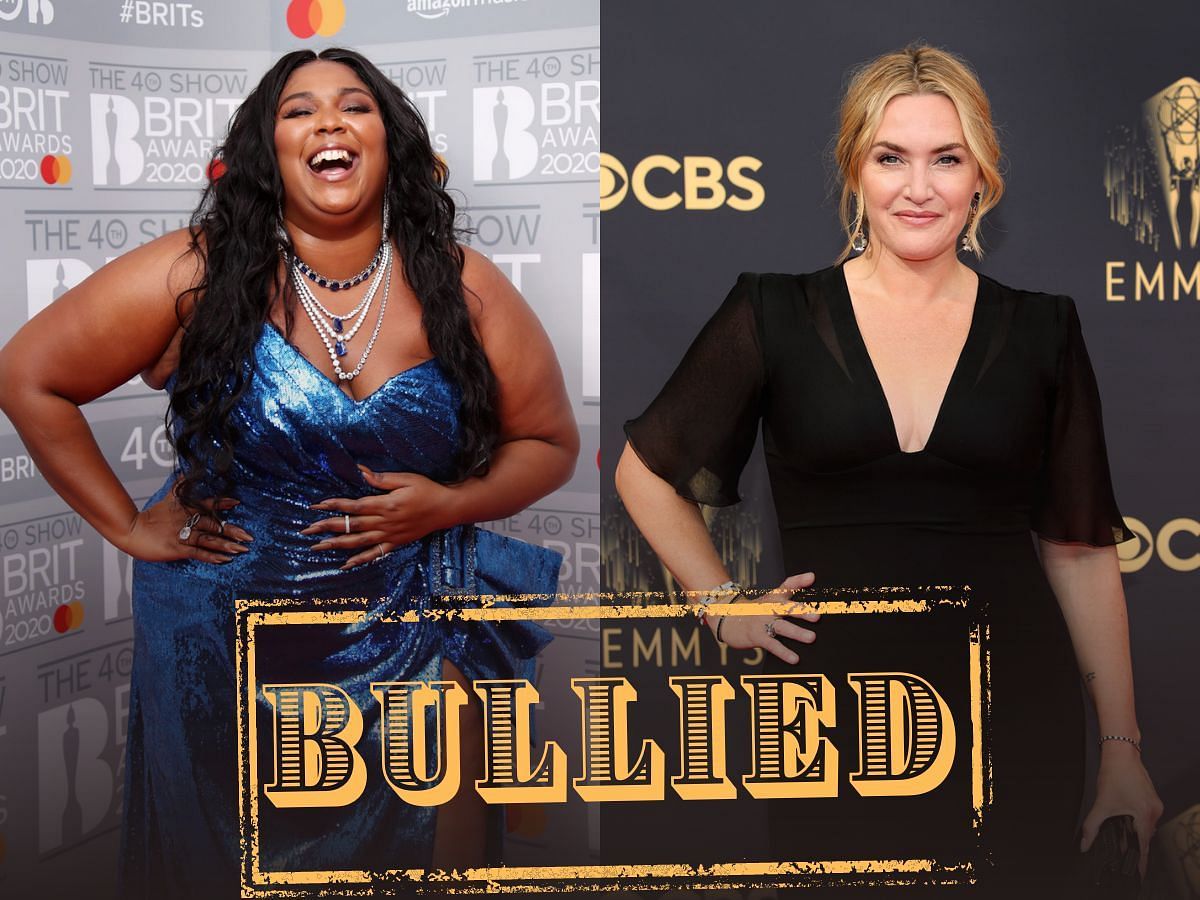
Platforms like Instagram, X (formerly Twitter), and TikTok are the battlegrounds. Yet their response to targeted harassment remains inconsistent.
Consider this: - A viral TikTok trend mocked Zendaya’s nose in 2021, using AI filters to grotesquely enlarge it. The video gained 2 million likes before being taken down. - A X account with 500k followers regularly posts “celebrity glow-up fails,” targeting stars like Emma Stone and Paul Rudd with degrading side-by-sides.
While platforms have policies against harassment, enforcement is reactive. Victims must report each post—often hundreds per day. Automation favors engagement over ethics. The algorithm rewards outrage, not empathy.
Some stars fight back legally. Singer Doja Cat sued an account for spreading deepfakes. Others, like Lizzo, publicly shame trolls, using their platform to reclaim narrative. But these are temporary victories in a war with no end.
Gender, Race, and the Double Standard of Beauty Attacks
Not all trolling is equal. The venom is sharper when it intersects with identity.
Female actors are dissected on weight, skin, and aging. Male actors face emasculation—jokes about baldness, height, or perceived weakness. But for women of color, the abuse is layered.
- Leslie Jones’ 2016 Ghostbusters release was met with a torrent of racist and sexist memes. Her Wikipedia page was vandalized. She temporarily left Twitter.
- Naomi Campbell has been trolled for decades—called “too dark,” “too thin,” “too angry.” At 53, she still faces comments like “Time to retire, you’re not Beyoncé.”
- Riz Ahmed has been mocked for his “un-Hollywood” look, despite an Oscar nomination.
The message is clear: certain looks are acceptable. Others are perpetual outsiders.
Even “positive” stereotypes harm. The “exotic beauty” trope reduces women like Gal Gadot or Priyanka Chopra to aesthetics, erasing their skill. When they age or change, the backlash is swift: “She’s lost her glow.”
How Stars Are Fighting Back Survival in this environment requires strategy, support, and resilience.
1. Digital Detox Many A-listers now limit social media. Margot Robbie doesn’t have personal accounts. Timothée Chalamet uses his only for film promotions—no comments, no engagement.
2. Public Callouts Beyoncé’s 2023 documentary subtly addressed body-shaming, showing paparazzi shots of her post-pregnancy with the caption: “They wanted me to apologize. I didn’t.”
3. Legal Action Stars increasingly sue for defamation and emotional distress. In 2022, an anonymous troll in the UK was jailed for sending death threats to Jodie Comer.
4. Advocacy Work Selena Gomez founded Rare Beauty, partly in response to years of appearance-based bullying. The brand’s campaign “Don’t Fall for the Filters” directly challenges unrealistic beauty standards.
5. Therapy and Peer Support Many actors now work with therapists specializing in public trauma. Support groups like “Actors for Mental Health” provide confidential spaces to share experiences without judgment.
The Cost of Silence: Why This Crisis Can’t Be Ignored When celebrities stay silent, the narrative is controlled by trolls. But speaking out isn’t easy—it risks further targeting.
The deeper cost? Normalization. When millions see celebrities mocked daily, they absorb the message: public humiliation is acceptable entertainment.
Children grow up thinking it’s okay to ridicule bodies. Fans believe they own celebrities’ appearances. Studios prioritize “marketable” looks over talent.
This isn’t just about stars—it’s about culture. If we can’t protect the powerful from abuse, how can we protect everyday people?
What Can Fans and Platforms Do Differently?
Change starts with awareness—and action.
- Fans: Unfollow, block, report. Don’t engage with bullying content. Skip the meme if it punches down.
- Media: Stop amplifying troll content for clicks. No more “celebrity weight gain” headlines.
- Platforms: Proactive moderation. AI that detects hate patterns before virality. Transparent reporting metrics.
- Industry: Studios must protect talent with PR shielding, mental health resources, and zero-tolerance policies for online abuse campaigns.
Celebrities aren’t asking for hero worship. They’re asking for basic respect.
Closing: Redefining Fame in the Age of Cruelty
The era of silent suffering is ending. A-listers are no longer props in a beauty machine—they’re human beings demanding dignity.
The solution isn’t perfection. It’s accountability. It’s choosing empathy over engagement. It’s remembering that behind every face on a screen is someone who bleeds, doubts, and fights to belong—just like the rest of us.
If you’ve ever laughed at a celebrity meme, paused. Ask: who’s really the punchline?
The spotlight doesn’t have to be a torture chamber. We can make it a place of celebration—not humiliation.
—
FAQ Why are celebrities so sensitive about online comments? Because the volume and vitriol are extreme—thousands of attacks daily, often racist, sexist, or threatening. It’s not “just comments”—it’s sustained harassment.
Do celebrities ever start trolling each other? Rarely publicly. While feuds exist, most stars avoid direct engagement to prevent escalation. Some use humor or subtle jabs, but outright trolling is unprofessional.
Can online bullying affect a star’s career? Yes. Negative perception can influence casting, endorsements, and box office performance. Studios often avoid actors labeled “controversial,” even unfairly.
Why don’t celebrities just stay off social media? Many do—but platforms are now essential for promotion. Agencies expect stars to engage. Opting out can hurt visibility and career growth.
Are there laws against celebrity trolling? In many countries, yes—especially for threats, doxxing, or deepfakes. But enforcement is slow, and anonymity makes prosecution difficult.
How can I support a celebrity being trolled? Don’t share the content. Report abusive posts. Use your voice to counter hate with positivity. Support their work—boycotting only punishes the victim.
Is all criticism trolling? No. Constructive critique of work is valid. Trolling is personal, malicious, and designed to humiliate—not to inform or discuss.
FAQ
What should you look for in Hollywood Trolling Horror: A-Listers Expose Relentless Bullying? Focus on relevance, practical value, and how well the solution matches real user intent.
Is Hollywood Trolling Horror: A-Listers Expose Relentless Bullying suitable for beginners? That depends on the workflow, but a clear step-by-step approach usually makes it easier to start.
How do you compare options around Hollywood Trolling Horror: A-Listers Expose Relentless Bullying? Compare features, trust signals, limitations, pricing, and ease of implementation.
What mistakes should you avoid? Avoid generic choices, weak validation, and decisions based only on marketing claims.
What is the next best step? Shortlist the most relevant options, validate them quickly, and refine from real-world results.