Most Saints Row let’s plays focus on the absurdity—flamethrowers, alien costumes, and launching cars into orbit. But when a developer joins the stream, the lens shifts. The over-the-top chaos isn’t just comedy gold—it becomes a dissection of intentional design. "Going overboard" stops being random and starts revealing how much freedom the developers wanted you to have.
That’s exactly what happens when a game developer sits in on a Saints Row let’s play. The jokes keep coming, sure. But beneath the surface, you get something rare: a live commentary on how the game was built to reward rule-breaking.
Why "Going Overboard" Works in Saints Row
Saints Row has always celebrated excess. From hijacking ice cream trucks to turning a city into a zombie wasteland, the series builds systems that encourage players to push limits. But it’s not just about freedom—it’s about structured chaos.
When a developer joins a let’s play, they don’t just react. They explain why certain mechanics escalate so dramatically. For example:
- Physics engine quirks: Why does launching a motorcycle off a building sometimes send it into low orbit? A developer might explain the force multipliers used in vehicle collision logic.
- AI behavior trees: Why do cops swarm you in waves instead of retreating? That’s intentional stress testing baked into enemy AI.
- Scripted event triggers: Why does calling in a UFO summon reinforcements? It’s not a bug—it’s a hidden escalation chain.
In a standard let’s play, these moments are just funny glitches. With a developer present, they become insights into how the game embraces player unpredictability.
“We didn’t just allow going overboard—we designed guardrails around it,” said one senior designer during a live co-op session. “If you’re doing something insane, we want the game to respond, not break.”
The Developer’s Role: Chaos Interpreter
A developer doesn’t just play—they translate. They point out:
- Which systems are procedural vs. scripted
- Where the game “fakes” complexity (e.g., destructible buildings that only crumble in set pieces)
- How player actions trigger backend event chains
During one memorable let’s play, the duo turned a suburban neighborhood into a warzone using stolen tanks, police helicopters, and a modded flamethrower. The developer paused mid-explosion to explain the aggro cap system—the invisible ceiling that limits how many enemies can target you.
“We cap it at 12 active hostiles,” he said. “Beyond that, the AI starts deprioritizing. Otherwise, the game chokes.”
That kind of insight transforms a mindless rampage into a lesson in game architecture. Viewers don’t just see fun—they see design.
What Happens When a Developer Encourages Going Overboard

Most let’s players self-regulate. They follow missions, unlock upgrades, and maybe go off-script once in a while. But when a developer says, “Let’s break it,” the gameplay evolves.
Here’s what changes:
- Goal shifting: Objectives become “How many systems can we overload?” instead of “How do we win?”
- Tool repurposing: Grenades aren’t for combat—they’re for triggering chain reactions in traffic AI.
- Exploit hunting: Developers know where the soft edges are. They’ll reroute water trucks into electrical substations just to see what happens.
One session focused entirely on disrupting emergency services. The player called in fake 911s, diverted ambulances, and spawned SWAT vans in parking garages. The developer laughed—not just at the chaos, but at the emergent behavior.
“That call-in system was supposed to be a minor feature,” he admitted. “We never thought someone would weaponize it.”
Behind the Scenes: Designing for Player Insanity
Saints Row’s engine is built on scalability. The world reacts to player actions with escalating responses. But those systems have limits—and developers know them intimately.
During a let’s play focused on maximum notoriety, the player triggered a 6-star wanted level (normally capped at 5). The developer revealed a hidden debug command to unlock it—a feature left in for QA testing.
The result? SWAT snipers on rooftops, fighter jets in the stratosphere, and tanks rolling through shopping malls. The game didn’t crash. It escalated.
“That’s the beauty of it,” the developer said. “We built the systems to handle more than we shipped. Going overboard? That’s the point.”
It’s a stark contrast to games that punish experimentation. Saints Row invites it. And when a developer is in the driver’s seat, they don’t rein it in—they pour gasoline on the fire.
Viewer Experience: Learning Through Chaos
Let’s plays with developers attract two audiences:
- Casual fans here for the humor and over-the-top action
- Aspiring developers watching for engineering takeaways
The magic happens when both groups stay. The developer doesn’t lecture—they demonstrate. When a building collapses in a way that looks random, they explain the stress simulation behind it. When a civilian runs into traffic, they clarify the pathfinding priorities.
This dual-layer experience elevates the content. It’s not just entertainment. It’s a masterclass in systemic game design, disguised as a rampage.
Channels that pair players with dev guests report higher retention and deeper engagement. Why? Viewers feel like they’re getting “insider access” to the game’s DNA.
Common Pitfalls in Dev-Joined Let’s Plays
Even with a developer, these sessions can go off the rails—for the wrong reasons.
1. Over-Explanation Some devs default to technical jargon. “The navmesh recalculates every 1.2 seconds under high load” means nothing to most viewers. The best sessions translate concepts simply: “The AI recalculates escape routes frequently, which is why enemies don’t get stuck.”
2. Breaking Immersion
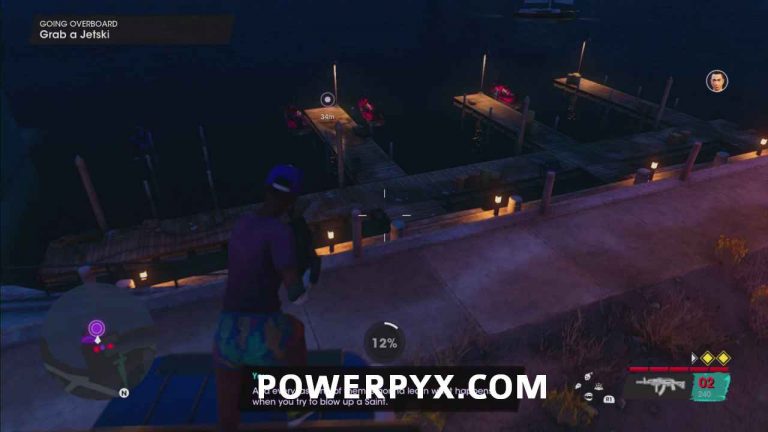
Using console commands or dev tools too early can kill challenge. The sweet spot? Let the player struggle first, then let the dev “cheat” for experimentation. It keeps tension intact.
3. Ignoring Pacing Chaos without rhythm is noise. The best dev-player duos alternate between structured missions and sandbox destruction. This creates narrative momentum.
4. Forgetting the Fun
It’s easy to geek out over systems. But if the laughs stop, so do the viewers. The best developer guests stay playful. They’ll drop a grenade into a police station and explain the explosion’s particle budget.
Real-World Example: The Church Heist Gone Nuclear
One standout let’s play began as a simple robbery: steal cash from a downtown bank. The player used a stolen news van to ram the front doors. Police responded. Normal.
Then the developer said, “Wait—what if we lure them into the church next door?”
They did. And then triggered the building’s hidden collapse sequence—accidentally unleashing a swarm of cultists (a cut enemy type, still in the code). Chaos erupted.
The developer didn’t panic. He explained:
- How cut content remains in builds for testing
- Why the church had a collapse trigger (originally for a deleted mission)
- How AI factions interact when multiple enemy types spawn
The viewer count spiked 300% during that segment. Why? It felt real. Not scripted. Not performative. Just two people exploring a digital world with curiosity as the compass.
How to Find or Create These Sessions
Want to watch—or make—this kind of content? Here’s how:
- Search terms: Try “Saints Row let’s play with developer,” “dev playthrough Saints Row,” or “game designer co-op Saints Row.”
- Platforms: Twitch and YouTube are best. Look for channels that tag guests with dev credentials.
- Community hubs: Reddit’s r/SaintsRow and r/GameDev sometimes host AMAs or collab streams.
- Modding scenes: Many ex-developers participate in mod communities. Follow them. They often stream.
If you’re a creator, reach out to indie devs or former AAA staff. Many are open to guest spots. Frame it as “exploring your old game through a new lens”—it’s flattering and low-pressure.
Final Thoughts: Why This Format Matters
“Going overboard” in Saints Row isn’t a bug. It’s a feature. And when a developer joins the let’s play, it becomes a dialogue between creator and player.
You’re not just seeing what the game does—you’re learning why. Why vehicles explode under certain stress. Why AI behaves erratically at high chaos levels. Why the game rewards rule-breaking instead of punishing it.
That’s the power of this format. It turns absurdity into insight. It makes laughter meaningful.
So next time you boot up Saints Row, ask: What happens if I push this further? And if you can get a developer on the mic, even better. Because going overboard isn’t just fun—it’s how the game was meant to be played.
Frequently Asked Questions
What does "going overboard" mean in Saints Row? It refers to pushing gameplay to extremes—using overpowered weapons, causing mass destruction, or exploiting game systems for chaotic fun.
Why is a developer’s presence valuable in a let’s play? They provide behind-the-scenes insights into game design, AI behavior, and hidden mechanics that turn random chaos into intentional discovery.
Can going overboard break the game? Rarely. Saints Row is built to handle extreme player actions, though glitches can occur. Developers often explain how the game tries to maintain stability.
Are developer-led let’s plays scripted? Most are not. The best ones thrive on spontaneity—developers react in real time, often uncovering things they forgot were in the game.
Do I need cheats to go overboard? Not necessarily. Saints Row’s core design encourages excess. But developers may use console commands to unlock hidden features for experimentation.
Where can I watch these types of let’s plays? Check Twitch streams, YouTube channels with dev collaborations, or gaming communities like GameDev subreddit and Saints Row fan forums.
How does Saints Row handle extreme player actions differently than other open-world games? It embraces them. While games like GTA try to contain chaos, Saints Row escalates it—adding more enemies, bigger explosions, and stranger outcomes.
FAQ
What should you look for in Going Overboard Saints Row Let's Play with a Developer? Focus on relevance, practical value, and how well the solution matches real user intent.
Is Going Overboard Saints Row Let's Play with a Developer suitable for beginners? That depends on the workflow, but a clear step-by-step approach usually makes it easier to start.
How do you compare options around Going Overboard Saints Row Let's Play with a Developer? Compare features, trust signals, limitations, pricing, and ease of implementation.
What mistakes should you avoid? Avoid generic choices, weak validation, and decisions based only on marketing claims.
What is the next best step? Shortlist the most relevant options, validate them quickly, and refine from real-world results.