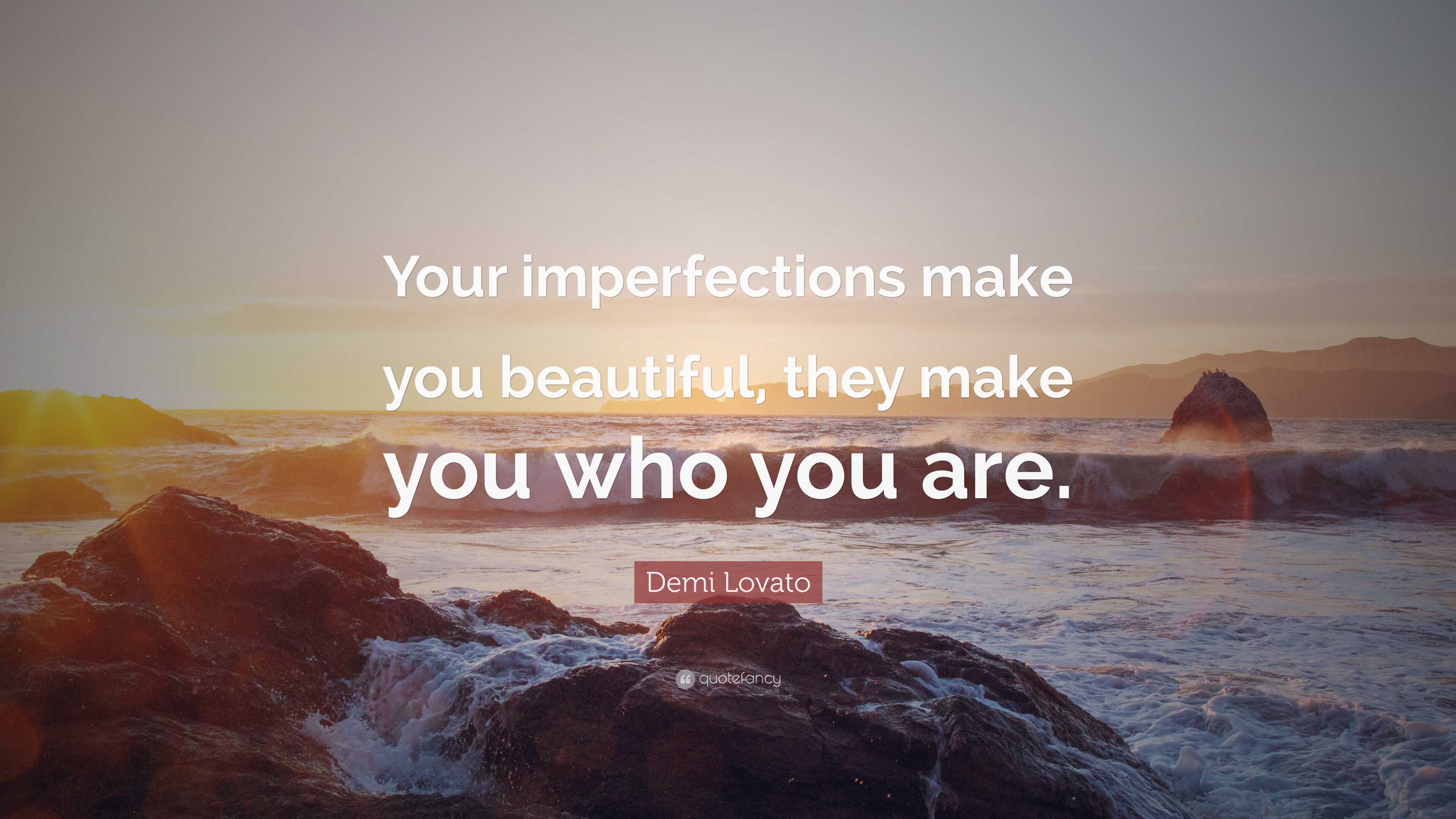
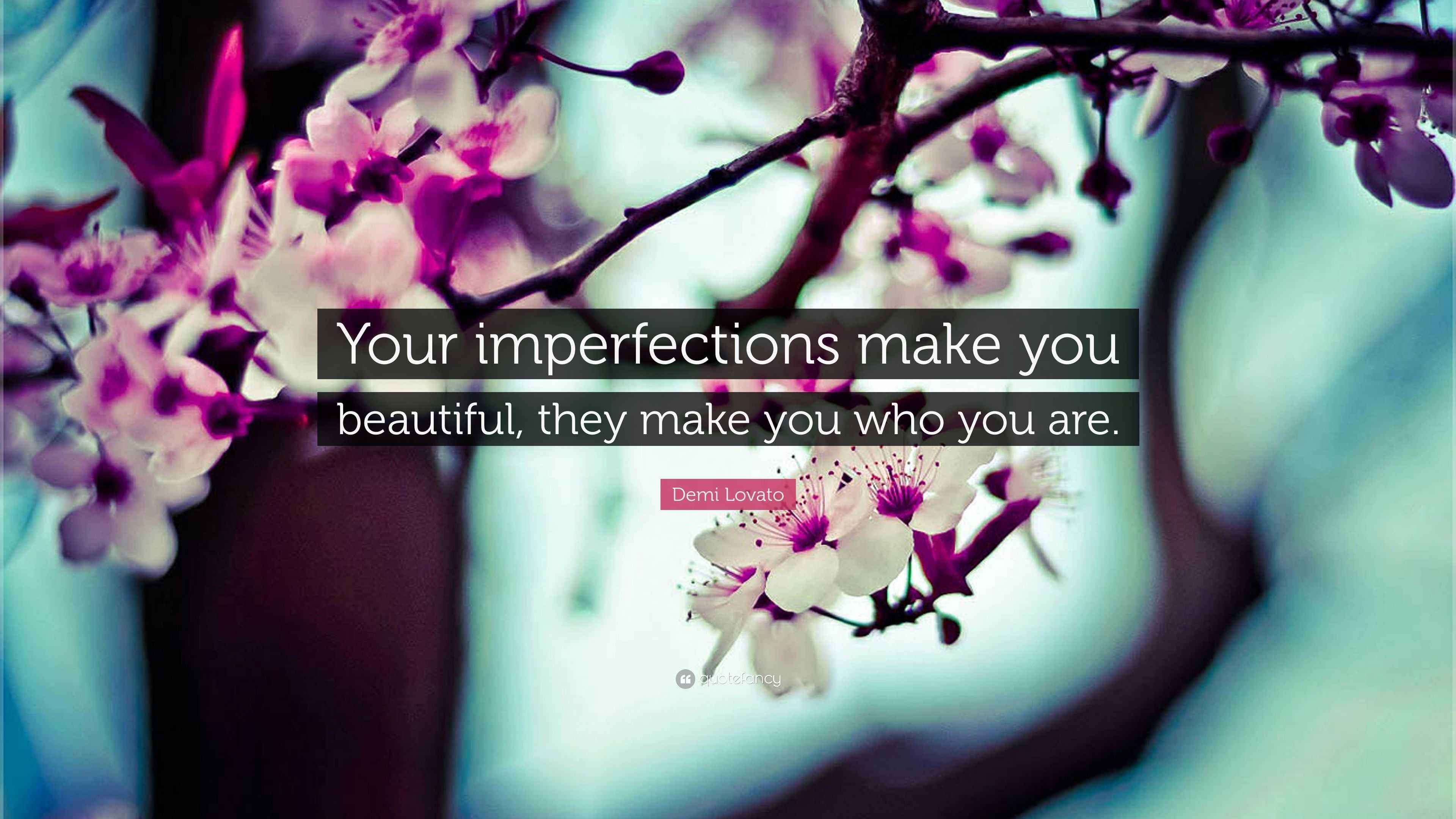
Self-doubt doesn’t whisper—it shouts. It shows up in the mirror, in quiet moments, in comparisons that cut deeper than any criticism ever could. That’s why a single line from Demi Lovato—“Your imperfections make you beautiful. They make you who you are. So just be yourself. Love yourself for who you are.”—lands like a reset button for the soul. It’s not just a quote of the day; it’s a manifesto for living.
This isn’t fluff. It’s battle-tested truth from someone who’s endured public breakdowns, rehab stints, near-fatal overdoses, and relentless media scrutiny—all while fighting to reclaim their identity. When Demi speaks about imperfection, it’s not theory. It’s testimony.
And that’s exactly why this message cuts through the noise.
Why This Quote Resonates Beyond Pop Culture
Demi Lovato’s words aren’t just a feel-good mantra—they reflect a cultural shift. For decades, celebrity narratives were built on perfection: flawless faces, curated lives, untouchable personas. But Demi broke that mold early. From Camp Rock to Sorry Not Sorry, their journey has been painfully public and deeply human.
The power of this quote lies in its layered meaning. “Your imperfections make you beautiful” flips the script on traditional standards of worth. Beauty isn’t earned through flawlessness—it’s inherent, stitched into the cracks, scars, and stumbles that define us.
This idea strikes at the core of modern mental health discourse. Social media bombards us with filtered realities. The average person spends over two hours a day scrolling through images of idealized bodies, relationships, and lifestyles. In that context, Demi’s message becomes radical: You don’t need to fix yourself to be lovable.
Take Sarah, a 28-year-old graphic designer from Denver. She started therapy after realizing she’d internalized years of online comparison. “I thought I had to look like a filtered version of myself to be valid,” she says. “Then I heard Demi say, ‘They make you who you are,’ and it clicked—my anxiety, my crooked smile, even my messy apartment—it’s all part of my story. Not flaws to erase, but features that make me real.”
That’s the transformation this quote enables: from self-rejection to self-ownership.
The Psychology Behind Imperfection and Belonging
Psychologists have long studied the connection between vulnerability and connection. Dr. Brené Brown’s research on shame and authenticity echoes Demi’s sentiment: we belong only when we present our true selves, not polished performances.
When we hide our struggles—be it anxiety, failure, or body image issues—we isolate ourselves. We assume others are flawless and that we’re the only ones broken. But imperfections are universal. They’re not weaknesses—they’re proof of living.
Consider this: - A study published in the Journal of Experimental Psychology found that people rated others as more trustworthy and relatable when they made small mistakes (like spilling coffee) during social interactions. - In workplace culture, leaders who admit uncertainty or past failures are perceived as more competent, not less.
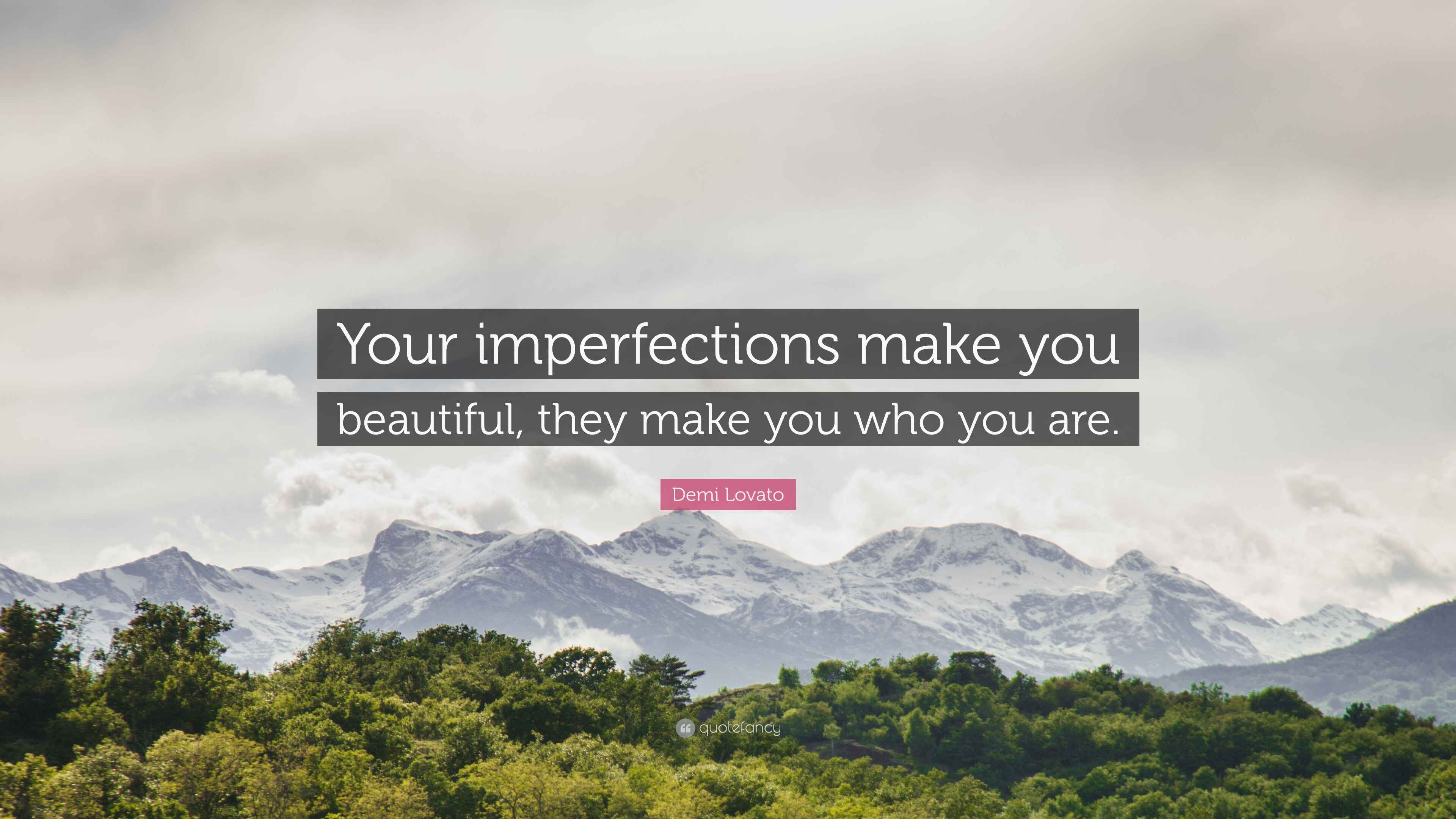
This is the paradox Demi’s quote exposes: the very things we try to hide often make us more likable, more human.
Yet, the instinct to conceal remains strong. We edit our photos, curate our résumés, and rehearse our answers in job interviews to project strength. But in doing so, we disconnect from genuine connection.
The alternative? Radical self-acceptance. Not as a destination, but as a daily practice.
Struggle as a Catalyst for Strength
Demi Lovato’s life is a case study in turning pain into purpose. Diagnosed with bipolar disorder, they’ve spoken openly about eating disorders, addiction, and self-harm. Their 2017 overdose was a wake-up call—not just for them, but for millions who saw their own struggles reflected in the headlines.
What makes their message credible is that it wasn’t born in a therapist’s office and polished into a TED Talk. It was forged in hospital rooms, court hearings, and relapses.
And that’s the missing piece in so many self-help narratives: the acknowledgment that healing isn’t linear. You can love yourself today and still cry tomorrow. You can be in recovery and still crave the old coping mechanisms. That doesn’t mean you’ve failed. It means you’re human.
One of Demi’s most underrated lines—“Just be yourself”—is deceptively simple. Because being yourself requires courage. It means showing up even when you’re insecure. Posting the unfiltered selfie. Saying no to a toxic job. Admitting you don’t have it all together.
It’s not about confidence. It’s about consistency.
How to Apply This Quote in Real Life
Inspiration without action is just noise. So how do you turn Demi’s words into daily practice?
Here are four realistic strategies:
1. Reframe “Flaws” as Features Make a list of three things you dislike about yourself—maybe your temper, your tendency to overthink, or your stretch marks. Now, write how each has served you. - Example: “I overthink” → “I anticipate problems and prepare solutions.” - “I’m emotional” → “I connect deeply with others.”
This isn’t positive thinking—it’s cognitive reframing. It builds self-compassion by highlighting function over form.
2. Share One Vulnerable Truth Weekly Text a friend: “I’ve been struggling with…” Post on social media: “Today I felt like a failure because…” Join a support group or therapy session.
Vulnerability is a muscle. The more you use it, the stronger it gets.
3. Audit Your Inputs Unfollow five accounts that make you feel “less than.” Replace them with voices that celebrate realness—like Demi, Lizzo, or Jameela Jamil.
Your feed shapes your self-perception. Curate it like your mental health depends on it—because it does.
4. Practice Mirror Work Stand in front of the mirror and say: “I love you. I accept you. You are enough.” Even if you don’t believe it. Especially if you don’t.
Repetition rewires belief. Do it daily for 21 days and notice the shift.
The Link Between Self-Love and Success
Success isn’t just about achievement. It’s about sustainability. And you can’t sustain greatness if you’re at war with yourself.
Demi’s career proves this. After their 2018 overdose, many assumed their career was over. But they came back with Dancing with the Devil, a documentary that exposed every layer of their struggle. It wasn’t a PR move—it was a purge.
And the result? Their most authentic, critically acclaimed work yet.
That’s the power of self-love: it fuels resilience. When you stop seeking external validation, you stop burning out to impress. You create from integrity, not insecurity.
Entrepreneurs, artists, leaders—those who last aren’t the most talented. They’re the ones who can weather failure without collapsing. And that strength starts with self-acceptance.
The Danger of Misinterpreting the Message
Let’s be clear: “Love yourself” isn’t a pass to avoid growth.
There’s a difference between accepting your humanity and ignoring harmful behaviors. Loving yourself means holding yourself accountable because you matter—not shaming yourself into change.
For example: - Accepting that you’re anxious ≠ ignoring therapy. - Loving your body ≠ refusing to treat a medical condition. - Being authentic ≠ being unkind.
Demi’s quote isn’t about stagnation. It’s about foundation. You build a better life not by hating your starting point, but by honoring it.
Too many people hear “love yourself” and think it means giving up on improvement. The truth? Self-love is the foundation of growth. You change not because you’re broken, but because you care enough to evolve.
What This Quote Teaches Us About Human Nature
At its core, this quote is a rebellion against perfectionism—a silent epidemic driving anxiety, burnout, and disconnection.
We’re wired to compare. Evolutionarily, it kept us safe in tribes. Today, it ruins our mental health. We see someone’s highlight reel and assume our behind-the-scenes is inferior.
But Demi’s message cuts through that illusion. It says: Your behind-the-scenes is your masterpiece.
Human nature isn’t about flawlessness. It’s about feeling, failing, and forging forward. It’s about singing off-key at karaoke, crying during a work call, laughing too loud at your own jokes. That’s not imperfection. That’s aliveness.
And the world doesn’t need more polished personas. It needs more people brave enough to say, “This is me. Take it or leave it.”
Closing: Start Where You Are
You don’t need to be healed to be whole. You don’t need to be fixed to be worthy.
Demi Lovato’s quote isn’t a one-time “aha” moment. It’s a compass. A reminder that every scar, every doubt, every misstep is part of your design—not defects to delete.
So today, do one thing that honors your realness. Send the unfiltered photo. Say the uncomfortable truth. Sit with your feelings instead of numbing them.
Because beauty isn’t in the edit. It’s in the edge. In the crack. In the courage to say: I’m not perfect. And that’s exactly what makes me beautiful.
FAQ
What is Demi Lovato’s most famous quote about self-love? One of their most powerful quotes is: “Your imperfections make you beautiful. They make you who you are. So just be yourself. Love yourself for who you are.”
Has Demi Lovato spoken about mental health struggles? Yes—openly. They’ve shared experiences with bipolar disorder, addiction, eating disorders, and self-harm, advocating for mental health awareness.
How can I practice self-acceptance daily? Start small: speak kindly to yourself in the mirror, share a personal struggle with a friend, or write down one thing you appreciate about your body or personality each day.
Is self-love the same as being selfish? No. Self-love is about self-respect and sustainable well-being. Selfishness disregards others. Loving yourself allows you to show up more fully for people around you.
Why do quotes like this go viral? They name universal emotions we rarely admit. In a world of curated perfection, honesty about struggle feels like relief.
Can embracing imperfection improve relationships? Absolutely. When you stop hiding your flaws, you give others permission to do the same—building deeper, more authentic connections.
Does Demi Lovato still perform and advocate for mental health? Yes. They continue to release music, speak publicly, and support mental health initiatives through their work and foundation.
FAQ
What should you look for in Demi Lovato's Quote of the Day: Embrace Your Imperfections? Focus on relevance, practical value, and how well the solution matches real user intent.
Is Demi Lovato's Quote of the Day: Embrace Your Imperfections suitable for beginners? That depends on the workflow, but a clear step-by-step approach usually makes it easier to start.
How do you compare options around Demi Lovato's Quote of the Day: Embrace Your Imperfections? Compare features, trust signals, limitations, pricing, and ease of implementation.
What mistakes should you avoid? Avoid generic choices, weak validation, and decisions based only on marketing claims.
What is the next best step? Shortlist the most relevant options, validate them quickly, and refine from real-world results.